


Treatment Methods for Insomnia in the Elderly

Insomnia is very common in modern life—both elderly and middle-aged individuals frequently suffer from it. What are the treatment approaches for insomnia in older adults?
Treatment Approaches for Insomnia in Older Adults
Insomnia in older adults is often attributable to age-related factors. Younger individuals generally require more sleep, whereas older adults typically need less. Therefore, if an elderly person does not nap excessively during the day and does not experience daytime drowsiness or fatigue, no treatment is necessary.
Decline in brain function: Some older adults are unable to sustain prolonged, rhythmic nighttime sleep and instead rely on multiple short naps throughout the day—for example, sleeping 3–4 hours at night, taking a 0.5- to 1-hour nap in the morning, and another in the afternoon to maintain adequate total daily sleep. If overall sleep quality remains satisfactory, such patterns do not require intervention.
Exogenous insomnia: Caused by poor sleep environment—in this case, improving the sleep environment is essential.
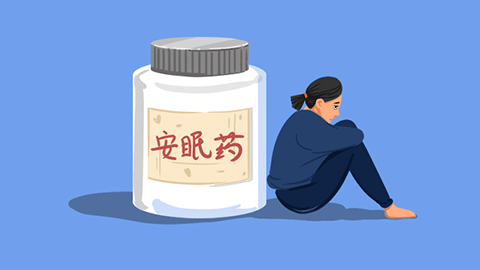
Additionally, insomnia in older adults may stem from underlying medical conditions. For instance:
Cardiovascular or pulmonary diseases: These can significantly disrupt sleep.
Psychiatric disorders: Such as geriatric depression or anxiety disorder, which commonly lead to chronic, long-term insomnia.
Geriatric psychosis: Characterized by nocturnal delirium, hallucinations, and agitation—requiring adjunctive treatment with antipsychotics or anti-agitation medications.
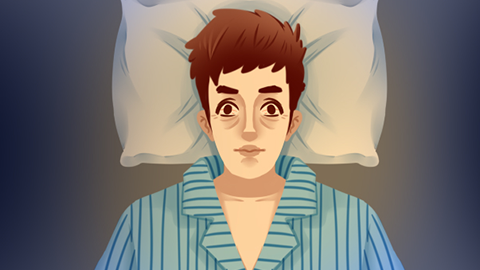
Moreover, age-related neurodegenerative disorders—such as Parkinson’s disease or multiple system atrophy—may co-occur with insomnia in older adults; management should focus primarily on treating the underlying neurodegenerative condition.
Medication-related factors: Certain drugs—including antihypertensives, cardiac medications, and anticancer agents—may contribute to insomnia. In such cases, appropriate medication adjustment—not direct insomnia treatment—is indicated. We hope this information proves helpful!


