


What happens if you eat too much pineapple?

Many people in daily life particularly enjoy eating pineapple, yet they are often unaware of whether consuming excessive amounts may harm their health—and what exactly happens if one eats too much pineapple.
What Happens If You Eat Too Much Pineapple?
Pineapple is a common fruit in everyday life and boasts rich nutritional value. Its delicious flavor can effectively stimulate appetite when consumed in moderation. However, overconsumption may easily trigger allergic reactions, potentially causing skin manifestations such as erythematous patches, papules, vesicles, bullae, urticarial wheals, abdominal pain, or even respiratory distress. Moreover, pineapple is considered “heat-inducing” in traditional dietary theory, which may lead to oral ulcers and constipation. For individuals with oily skin, excessive pineapple intake may also exacerbate acne. Therefore, it is generally recommended to consume pineapple only in small quantities.
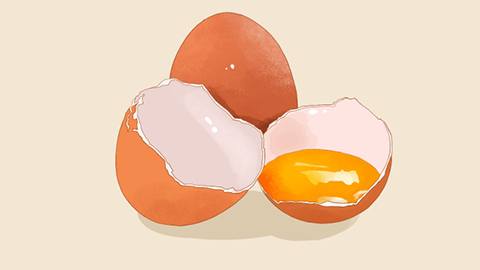
Pineapple should not be consumed together with eggs. Eggs contain abundant protein, whereas pineapple is rich in organic acids. When ingested simultaneously, these organic acids may cause protein coagulation, thereby impairing protein digestion and absorption—potentially compromising health.

Pineapple should not be eaten together with radish. Pineapple is high in vitamin C, while radish contains vitamin C oxidase—an enzyme that degrades vitamin C in food. Concurrent consumption not only destroys the vitamin C in pineapple, reducing its nutritional value, but also promotes the conversion of pineapple’s flavonoids into dihydroxybenzoic acid and ferulic acid—both of which exert potent inhibitory effects on thyroid function and may induce goiter. We hope this information proves helpful!


