


What is the mode of transmission for herpes zoster?
Apr 24, 2022
Source: Cainiu Health

Dr. Gan Liqiang
Introduction
Herpes zoster is an infectious disease affecting both nerves and skin, caused by the varicella-zoster virus (VZV). Its characteristic rash appears in a band-like distribution and is contagious to some extent. Transmission of VZV occurs primarily through direct contact with the fluid inside the vesicles, as this fluid contains a high concentration of viral particles. However, the virus is not contagious before vesicles appear or after they have crusted over.
In daily life, some individuals develop herpes zoster (shingles), causing significant physical discomfort and substantially affecting their daily life and work. Understanding this condition is essential for effective prevention and treatment. So, what are the transmission routes of herpes zoster?
What Are the Transmission Routes of Herpes Zoster?
Herpes zoster is an infectious disease affecting both nerves and skin, caused by the varicella-zoster virus (VZV). Its characteristic rash appears in a band-like distribution and is moderately contagious. The primary mode of VZV transmission is direct contact with fluid from the patient’s vesicles, as these contain high concentrations of viral particles. The fluid becomes highly infectious once the vesicles rupture; however, the virus is not transmissible before vesicle formation or after the lesions have crusted over. Therefore, infection may occur through direct contact with vesicular fluid, sharing towels or other personal items with an infected individual, or swimming together.
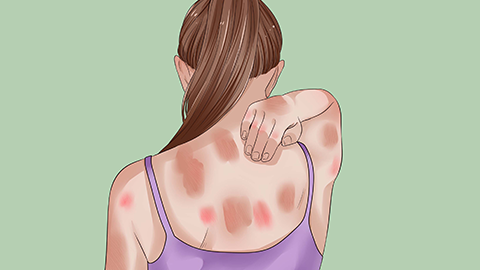
1. Antiviral therapy: Valacyclovir demonstrates excellent efficacy against the varicella-zoster virus and is commonly administered early in the course of infection.
2. Neurotrophic agents: Since nerve involvement often leads to prominent pain, neurotrophic medications—such as mecobalamin, adenosylcobalamin, and vitamin B1—may be prescribed to support nerve recovery. These should be taken continuously until neuropathic pain resolves.
3. Analgesics: For significant pain, analgesic therapy is indicated. Conventional analgesics may suffice if symptoms are well-controlled. In cases of severe neuropathic pain, adjunctive treatment with anticonvulsants such as gabapentin or pregabalin may be prescribed.
4. Topical therapy for skin lesions: During the acute phase, topical agents such as calamine lotion or ganciclovir cream may be applied to manage cutaneous manifestations and exert antiviral effects.

Patients should avoid spicy, irritating foods and “trigger foods” (e.g., seafood, lamb, bamboo shoots) known to exacerbate inflammatory conditions. Adequate rest and quality sleep are also crucial. We hope this information proves helpful to you.



