


Contraindications for Consuming Mutton

Lamb is a delicious and flavorful meat. It is considered warm in nature according to Traditional Chinese Medicine (TCM), and excessive consumption may easily lead to “internal heat” (a TCM concept referring to symptoms such as sore throat, acne, or irritability); therefore, it should not be eaten in large quantities. What are the dietary contraindications associated with lamb?
Contraindications for Eating Lamb
Lamb is warm in nature and is particularly suitable for individuals with spleen- and stomach-qi deficiency, cold-dampness in the lungs (manifesting as cold-type cough), or general qi- and blood-deficiency. However, because lamb tends to generate internal heat, it should be consumed in moderation. Steaming and boiling are the healthiest cooking methods for lamb; frying and smoking should be minimized, as these methods further increase its warming properties. Lamb is contraindicated for individuals with excess yang, yin deficiency with internal heat, spleen- and stomach-qi deficiency, or feverish conditions. It is best consumed during winter, when its warming, qi-tonifying, and cold-dispersing properties make it especially beneficial for nourishment and strengthening.
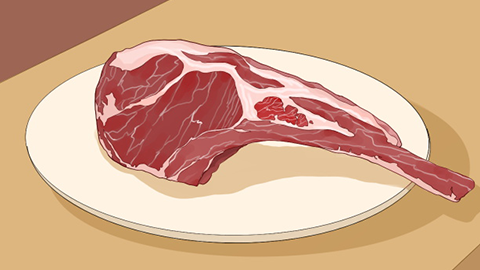
Individuals allergic to lamb should avoid it entirely, as ingestion may trigger allergic reactions—including skin rashes, itching, pain, and even anaphylactic shock. Lamb is rich in protein and fat; thus, overconsumption—especially by those with digestive disorders—may overload the gastrointestinal tract and place undue stress on metabolism and digestive function. Therefore, intake should be limited. Lamb may also trigger or exacerbate gout symptoms and should be avoided in large amounts. Additionally, lamb should not be consumed simultaneously with foods high in tannic acid or fruit acids (e.g., unripe persimmons, pomegranates, or certain teas), as the proteins in lamb readily bind with tannins and organic acids to form indigestible precipitates. Long-term, excessive co-consumption may contribute to stone formation. Furthermore, consuming lamb together with red beans is traditionally believed to cause internal toxicity.
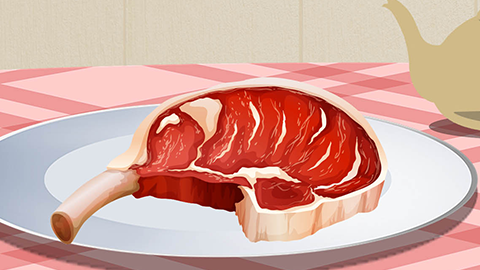
Generally, individuals with yin deficiency and internal heat, those with irritable temperaments, or those suffering from heat-related conditions—such as boils, acne, or hemorrhoids—are advised against eating lamb. Excessive intake may further elevate internal heat, potentially leading to symptoms like restlessness and dry mouth. We hope this information proves helpful!


