


What Is Infectious Eczema?

Eczema is a relatively common condition. Once it develops, prompt management is essential to prevent secondary infection. But what exactly is “infectious eczema”?
What Is Infectious Eczema?
Infectious eczema refers to an eczematous skin inflammation that arises secondary to inadequate management of a primary lesion—leading to impaired local drainage of purulent exudate—and manifests as vesicles, oozing, and pruritus. It may spread widely and commonly occurs as a complication of chronic infectious diseases. When the original lesion is improperly managed, a persistent focus of chronic infection develops in the surrounding tissue, gradually evolving into eczema.
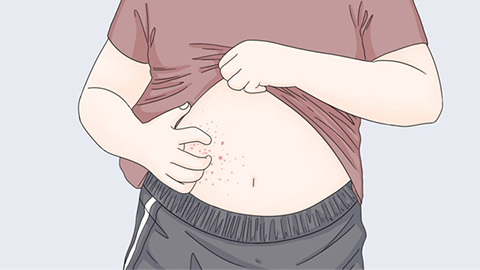
Infectious eczema can be treated with antibiotics. It is an acute, localized eczematous dermatitis rooted in an underlying infectious process. If left untreated, it may ultimately result in post-inflammatory hyperpigmentation and progressive skin thickening. Patients should avoid scratching and refrain from consuming spicy or irritating foods. In cases of severe infectious eczema, medical consultation and professional treatment at a hospital are strongly recommended.

Eczema is generally associated with allergic reactions or exposure to abnormal substances, and commonly presents with symptoms such as pruritus, erythema, and small papules. Secondary infection typically results from untreated skin injury. Signs of infection include erythema, pain, and purulent discharge; affected individuals should seek timely medical care for wound debridement and disinfection, followed by anti-inflammatory therapy. Strict attention to hygiene is essential. Antihistamines may be prescribed based on clinical presentation. Topical application of Zicao Ointment (Lithospermum root ointment) or Baibao Ointment may be used over the entire affected area. We hope this information proves helpful!


