


What are the symptoms of benign kidney tumors?

A healthy body is what everyone aspires to, yet some individuals lead sedentary lifestyles or develop tumors due to compromised immune function. What symptoms might indicate a benign renal tumor?
What Symptoms Are Associated with Benign Renal Tumors?
Symptoms of benign renal tumors may include hematuria (blood in the urine) and pain localized to the kidney region. If such symptoms occur, prompt medical evaluation is recommended. In fact, most benign renal tumors are asymptomatic and are often incidentally detected during routine physical examinations or abdominal ultrasound screenings.
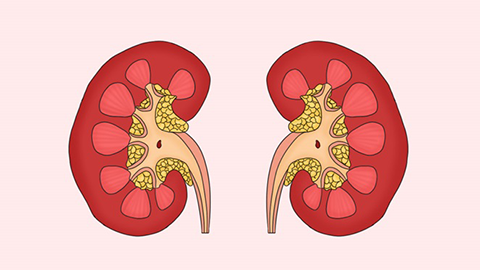
Regarding adrenal tumors, surgical intervention is not always necessary for benign cases. Adrenal benign tumors fall into two categories: functional adenomas and non-functional adenomas. Functional adrenal tumors typically require surgical removal to prevent complications; non-functional adenomas, however, generally do not necessitate surgery unless they grow large enough to cause symptoms or compress adjacent structures. It is therefore advisable to undergo thorough evaluation and consult with a physician to determine whether surgery is indicated.
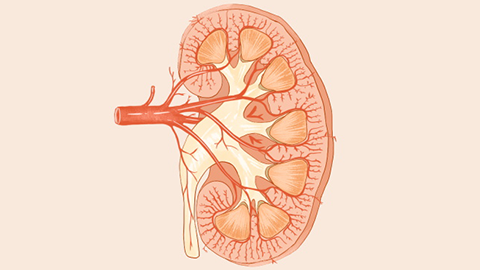
Benign renal tumors can arise from various tissues, including tubular epithelium, smooth muscle, fat, blood vessels, and the renal capsule. Common types include renal angiomyolipoma, renal fibroma, and renal adenoma. These lesions consist of normal tissue components—such as blood vessels, lymphatics, and muscle—and lack malignant features. Although they appear as localized, small masses, they may still cause upper urinary tract obstruction, hypertension, or hematuria. Therefore, active management is warranted, and surgical resection remains the primary treatment modality. We hope this information has been helpful!


