


Is allergic urticaria contagious to others?

Urticaria is a relatively common condition; however, some individuals fear contracting it after coming into contact with affected persons. Can allergic urticaria be transmitted to others?
Can allergic urticaria be transmitted to others?
Allergic urticaria is not contagious and cannot be transmitted to others. It is a common allergic skin disorder characterized by episodic erythematous plaques (wheals), raised, transient, pruritic lesions, and intense itching. Specific triggers may include food allergies, drug allergies, or inhalation of airborne allergens in the environment. Occasionally, certain internal bodily factors may also provoke allergic urticaria.
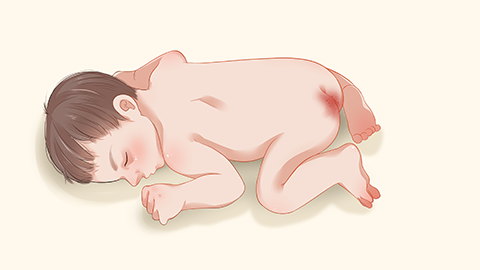
Urticaria is not infectious because it is not caused by bacterial, viral, or fungal pathogens. Close contact with an individual’s urticarial lesions—including wheals and erythematous patches—does not result in transmission. Therefore, the development of allergic urticaria depends primarily on two factors: (1) the patient’s unique constitutional susceptibility and (2) exposure to specific allergens—not infection—and thus it is non-contagious.
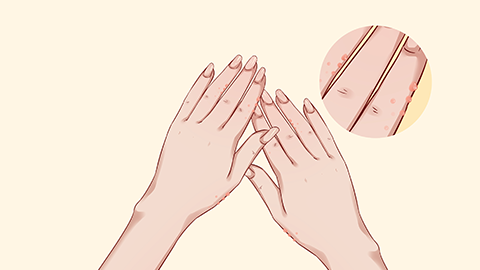
Allergic urticaria arises from hypersensitivity reactions triggered primarily by foods, medications, or other environmental factors—and is also directly influenced by psychological stress and ambient conditions. Oral antihistamines are typically the first-line treatment for allergic urticaria. For associated pruritus or discomfort, topical anti-itch ointments may be applied locally. Scratching should be avoided, as it may exacerbate and spread the itching. During this period, maintain local skin cleanliness and avoid alkaline bathing products when showering. We hope this information proves helpful!


