


What Should You Do About Itchy Skin During Menopause?
Apr 24, 2022
Source: Cainiu Health

Dr. Gan Liqiang
Introduction
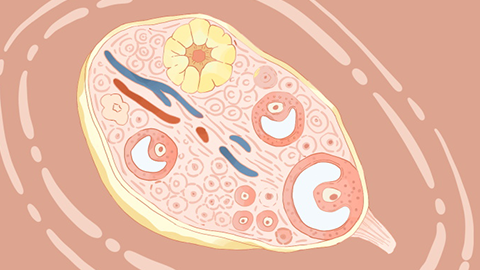
Itching during menopause occurs due to declining ovarian function, which leads to reduced estrogen secretion. This, in turn, decreases sebum production, causes skin dryness, and results in collagen loss—ultimately triggering pruritus.
Regarding treatment:
- Pay attention to diet—avoid “heat-inducing” foods such as coriander; instead, consume protein-rich foods like soy products.
- Engage in moderate physical exercise. Regular sweating helps maintain skin moisture and alleviates dryness-related itching.
Skin itching sometimes occurs during menopause. So, what should be done about menopausal pruritus?
Management of Menopausal Skin Itching
Itching during menopause arises primarily due to declining ovarian function and reduced estrogen secretion, leading to decreased sebum production, dry skin, and loss of collagen—ultimately resulting in pruritus. Regarding treatment: maintain a balanced diet—avoid “heat-inducing” foods such as cilantro, and instead consume protein-rich foods like soy products; engage in moderate physical activity. Regular sweating helps retain skin moisture and alleviates dryness-related itching. Use appropriate cosmetics—preferably mild, non-irritating moisturizers—to help soothe and protect the skin. Maintaining a relaxed mental state also plays a supportive role.
For menopausal pruritus, patients may initially take oral medications including Bazhen Yimu Wan (Eight-Ingredient Motherwort Pill) and Liuwei Dihuang Wan (Six-Ingredient Rehmannia Pill), along with Compound Glycyrrhizin Tablets and Cetirizine Hydrochloride Tablets. Additionally, a combination of coal tar ointment and urea-vitamin E cream may be applied morning and evening; nightly application of a skin barrier repair emulsion is also recommended. Menopausal Kang Pian (Menopause Relief Tablets) may be taken as well. In cases of severe nocturnal pruritus accompanied by insomnia and anxiety, Doxepin Hydrochloride Tablets and Calcium Citrate Granules may be prescribed. During treatment, avoid spicy foods and alcohol, ensure adequate rest, minimize late-night activity, and prioritize sufficient sleep.

If pruritus persists, hormone replacement therapy (HRT) may be considered. After undergoing clinical evaluation at a healthcare facility, an individualized HRT regimen can be initiated based on diagnostic findings to effectively alleviate menopausal discomforts. Avoid spicy, stimulating foods and abstain from tobacco and alcohol. We hope this article has been helpful. Wishing you a joyful life and optimal health!






