


What examinations are included in gastrointestinal testing?

Many individuals experiencing gastrointestinal discomfort seek medical evaluation to rule out potential diseases. What diagnostic tests are available for assessing the gastrointestinal tract?
Common Gastrointestinal Diagnostic Tests
Specific gastrointestinal examinations include: • Blood tests—such as a complete blood count (CBC)—to assess white blood cell count, neutrophil levels, and hemoglobin concentration. Patients with gastric bleeding may develop anemia, which can be identified by measuring hemoglobin levels. • Coagulation studies and stool tests—to detect melena (black, tarry stools) or fecal occult blood positivity. • 14C-urea breath test—to screen for Helicobacter pylori infection. • Endoscopic procedures—the gold standard for diagnosis: colonoscopy to evaluate colonic contents and identify conditions such as colitis, colonic ulcers, or tumors; and upper gastrointestinal endoscopy (gastroscopy) to assess for chronic gastritis, gastric ulcers, or gastric malignancies.
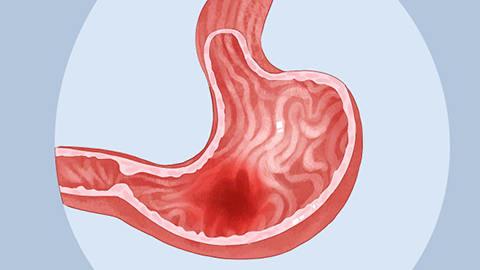
Numerous gastrointestinal disorders exist, including acute gastritis, chronic gastritis, gastric ulcers, duodenal ulcers, functional dyspepsia, gastric polyps, gastric cancer, duodenitis, pyloric obstruction, acute enteritis, chronic enteritis, intestinal tuberculosis, Crohn’s disease, acute hemorrhagic necrotizing enteritis, bacillary dysentery, irritable bowel syndrome (IBS), inflammatory bowel disease (IBD), colorectal cancer, and appendicitis.

In daily life, maintain a diet rich in light, easily digestible foods; avoid overeating and prolonged sleep deprivation; and refrain from lying down immediately after dinner. We hope this information proves helpful!


