


What medications are used to treat scrotal eczema?

Scrotal eczema primarily affects the skin of the scrotum, though it may occasionally involve the perianal region. Rarely, it can also occur on the penile skin. Following onset, patients typically experience intense pruritus; although treatment often provides relief, recurrence is common. To achieve complete resolution, meticulous personal hygiene must be maintained after treatment. What medications are available for treating scrotal eczema?
Medications for Treating Scrotal Eczema
For severe pruritus significantly disrupting sleep, antihistamines are commonly prescribed to alleviate itching symptoms to a certain extent. Frequently used agents include diphenhydramine, chlorpheniramine, cetirizine, and chlorhexidine. In cases of secondary bacterial infection or more severe disease, targeted antibiotics may be selected. Topical therapy may also be employed when necessary, such as mupirocin or fusidic acid ointment. Additionally, for severe cases unresponsive to topical treatments or physical therapy, systemic immunosuppressants—including cyclosporine, azathioprine, and methotrexate—may be considered.
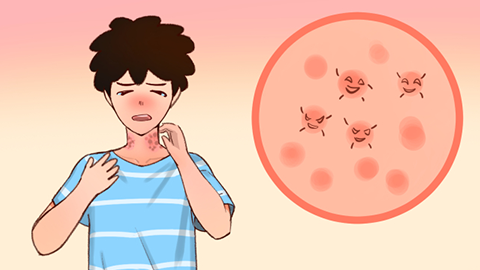
Patients with scrotal eczema must avoid applying any strongly irritating medications—including even mild corticosteroids—directly onto infected areas. Dietary modifications are also important: spicy foods such as ginger and garlic, as well as strong tea, should be avoided. After diagnosis, patients should wear breathable undergarments—preferably loose-fitting cotton—and change them frequently; tight-fitting underwear must be avoided.
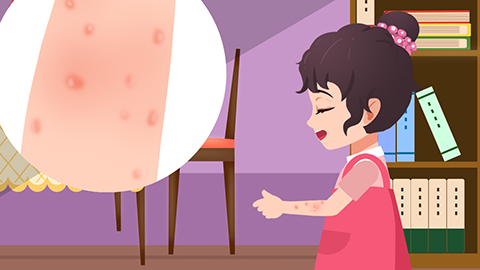
Scrotal eczema is frequently associated with excessive dampness in the scrotal region. Patients should therefore prioritize scrotal hygiene and opt for loose, cotton undergarments. Daily dietary habits should emphasize heat-clearing and detoxifying foods—for example, dandelion tea or dandelion congee. We hope this information proves helpful to you.


