


What causes small red spots resembling blood spots on the skin?

In daily life, people frequently experience various health issues—some are severe enough to require hospital treatment, while others, though less serious, can still be highly distressing. For instance, the appearance of tiny red spots resembling blood dots on the skin is particularly intolerable for many women. So, what causes these small, blood-dot-like red spots on the skin?
What Causes Small, Blood-Dot-Like Red Spots on the Skin?
They may result from capillary dilation. When red blood spots appear on the skin, it could indicate that capillaries have dilated and become engorged with blood following skin irritation—or even ruptured, leading to small petechiae. Some individuals are born with sensitive skin and may develop such red spots upon exposure to minor stimuli, such as cold or heat. This condition generally requires no special concern, as the spots typically fade spontaneously over time. However, if multiple unprovoked petechiae appear repeatedly, prompt medical evaluation is advised.
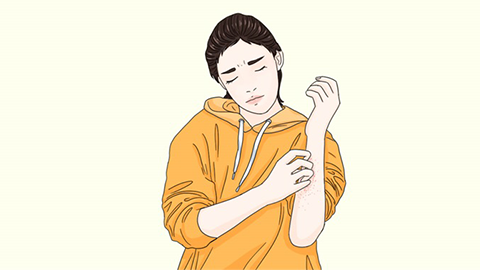
Alternatively, they may indicate allergic purpura. Chronic purpura can also manifest as small petechiae on the skin. In the absence of complications, allergic purpura should be considered—a type of hypersensitivity vasculitis affecting capillaries and small vessels. It may be accompanied by joint pain, abdominal pain, or kidney involvement. Its etiology is complex and may include bacterial or viral infections, certain foods, or medications. Patients often present with pinpoint to soybean-sized petechiae or ecchymoses on the skin. The condition tends to recur. Management involves identifying and eliminating potential triggers—including infectious foci—and avoiding suspected foods or drugs. Simple (idiopathic) purpura may respond to vitamin C supplementation.
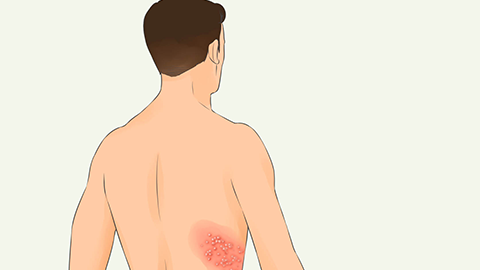
Upon noticing small petechiae on the skin, first assess whether any external irritant may be responsible. As previously emphasized, underlying chronic disease must also be considered. If the spots persist beyond one or two days without fading, timely medical consultation and examination are essential. We hope this information proves helpful to you.


