


What Are the Main Causes of Eczema on the Soles of the Feet?

Eczema or dermatitis is a relatively common skin condition encountered in daily life, with a high incidence rate. What are the primary causes of eczema on the soles of the feet?
Primary Causes of Sole Eczema
Eczema on the soles may result from infection—or, less commonly, from underlying gastrointestinal disorders. In such cases, a thorough evaluation by a dermatologist at a reputable hospital is essential. If infection is confirmed, scraping the affected skin may reveal blisters and purulent discharge, often accompanied by severe pain. Under medical supervision, appropriate anti-infective medications can be prescribed for effective treatment. Additionally, maintaining proper foot hygiene—such as wearing breathable clothing and footwear—is crucial.

Sole eczema may also arise from skin inflammation caused by scratching, or from prolonged exposure to chemical irritants such as harsh shower gels. Poor lifestyle habits—including frequent washing with excessively hot water or using irritating soaps—can similarly trigger eczema on the feet. These factors compromise the skin’s protective barrier and impair vascular regulatory function, thereby predisposing individuals to eczema. Moreover, genetic predisposition may contribute to sole eczema. Emotional stressors—including excessive fatigue, depression, and anxiety—may also provoke or exacerbate eczema symptoms.
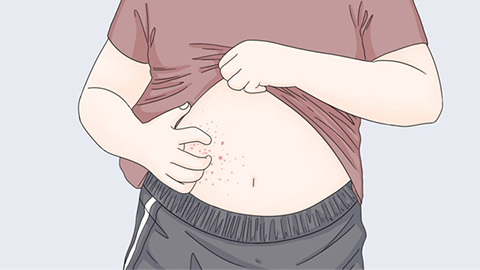
If you develop eczema symptoms, try not to worry excessively. Minimize use of non-breathable footwear and opt instead for shoes made from breathable materials. Keeping the feet dry helps prevent eczema recurrence. Additionally, soaking your feet in a disinfectant and antifungal solution regularly can effectively eliminate fungi implicated in eczema development. We hope this article has been helpful. Wishing you a joyful life and good health!


