


What symptoms occur when eczema affects the scalp?

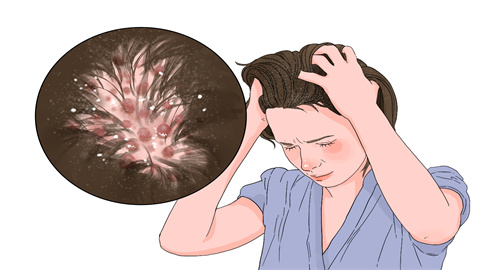
Generally, scalp eczema may present with symptoms such as pruritus (itching), erythema (redness), papules, exudation (oozing), and crusting. It is recommended to seek medical attention promptly and undergo treatment under a physician’s guidance. A detailed analysis follows:
1. Pruritus
Patients typically experience persistent itching on the scalp and areas covered by hair; the intensity of itching varies. In mild cases, patients may only occasionally notice mild scalp itchiness—often overlooked. In severe cases, intense pruritus becomes unbearable, prompting involuntary scratching of the scalp.
2. Erythema
Ill-defined erythematous patches appear on the scalp. Their size and shape vary: some measure only a few millimeters, while others coalesce into larger plaques covering extensive areas of the scalp. The color ranges from light pink to deep red, resulting from localized vasodilation and hyperemia due to cutaneous inflammation.
3. Papules
Papules are small, firm, elevated lesions above the skin surface. In scalp eczema, they typically range in size from millet grains to mung beans and may be either scattered or clustered. Papulovesicles refer to papules topped with tiny vesicles containing clear or pale yellow fluid.
4. Exudation
During the acute phase or in more severe cases of eczema, exudation may occur on the scalp. This results from impaired skin barrier function secondary to inflammation, allowing fluid and inflammatory cells from blood vessels to leak onto the skin surface. The exudate is usually pale yellow and transparent, sometimes appearing viscous.
5. Crusting
After exudation, the dried fluid forms crusts on the scalp. These crusts may appear pale yellow, yellowish-brown, or dark brown, and have a relatively firm texture. They may overlay papules, papulovesicles, or erythematous patches and adhere tightly to the scalp surface.
If scalp eczema develops, patients may use topical medications—including compound dexamethasone cream, zinc oxide ointment, or calamine lotion—as prescribed by their physician. Additionally, maintaining proper scalp hygiene and care significantly aids recovery and restoration of normal scalp health.


