


How to eradicate cholinergic urticaria

Many people experience urticaria (hives) in daily life. Cholinergic urticaria not only harms patients’ physical health but also significantly impairs their quality of life and work performance. So, how can cholinergic urticaria be completely cured?
How to Achieve Complete Remission of Cholinergic Urticaria
Cholinergic urticaria is a subtype of urticaria. It is commonly triggered by heat exposure, physical exercise, emotional stress, or consumption of hot beverages. Under these conditions, the sympathetic nervous system releases acetylcholine, which induces mast cell degranulation—leading to the development of pruritic wheals (hives) on the skin. In terms of treatment, first-line therapy consists of antihistamines such as cetirizine. Anticholinergic agents—for example, anisodamine (654-2)—may be used as adjunctive therapy. Additionally, patients should actively identify and avoid known triggers—including alcohol consumption, hot beverages, and excessive or overly vigorous physical activity. With consistent pharmacological treatment and appropriate lifestyle adjustments, most cases can be effectively controlled. Notably, gradual weight loss may prolong the required duration of medication. Overall, the majority of cholinergic urticaria cases gradually resolve and achieve full remission within several years.
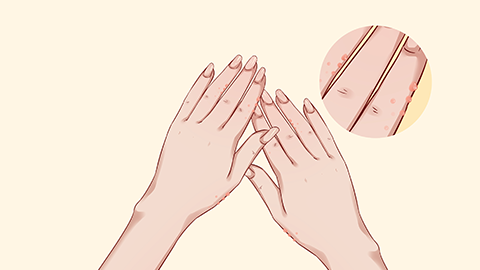
Cholinergic urticaria is a distinct form of urticaria characterized by localized edema of the skin and mucous membranes. Clinically, it manifests primarily as numerous tiny, intensely pruritic, pinpoint wheals. In more severe cases, patients may experience systemic symptoms such as headache, lacrimation, rhinorrhea, and nausea. This condition occurs predominantly in individuals with atopic (allergic) predisposition—especially young adults.
Patients are advised to consume more fresh vegetables and fruits rich in vitamins. We hope this information is helpful to you!


