


Can Shiduqing Ointment treat eczema?
Apr 24, 2022
Source: Cainiu Health

Dr. Gan Liqiang
Introduction
Shiduqing Ointment can be used to treat eczema. It functions by cooling the blood, eliminating dampness, and relieving pruritus. During eczema development, epidermal infection constitutes one of the key pathogenic factors; thus, this mechanism helps explain the ointment’s therapeutic action. However, if symptoms are severe, monotherapy with Shiduqing Ointment may yield suboptimal results, necessitating adjunctive treatment with other medications to achieve a relatively faster therapeutic effect.
Eczema is a condition unfamiliar to many patients. When diagnosed with eczema, individuals often opt for pharmacological treatment. However, selecting an effective and appropriate medication is crucial. Can “Shi Du Qing Ointment” treat eczema?
Can Shi Du Qing Ointment Treat Eczema?
Shi Du Qing Ointment can be used to treat eczema. It functions by cooling the blood, eliminating dampness, and relieving pruritus. Since epidermal infection plays a significant role in the pathogenesis of eczema, this mechanism helps explain its therapeutic effect. However, if symptoms are severe, monotherapy with Shi Du Qing Ointment may yield limited efficacy; adjunctive medications are often required to achieve faster and more pronounced clinical improvement.
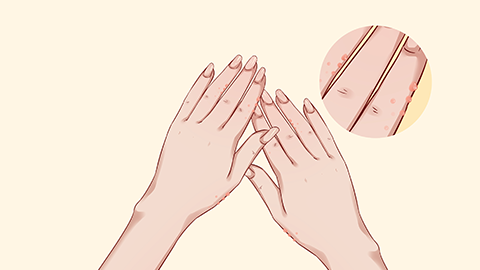
Eczema is an allergic inflammatory skin disorder triggered by multiple internal and external factors. Its precise etiology remains unclear but is likely associated with various endogenous and exogenous contributors. Endogenous factors include chronic infectious foci—such as gastrointestinal disorders, chronic cholecystitis, or appendicitis—as well as endocrine imbalances, circulatory disturbances, and neuropsychiatric factors (e.g., prolonged stress, anxiety, or irritability). Genetic predisposition also plays a role: certain forms of eczema frequently exhibit familial clustering, and underlying immune dysregulation increases susceptibility to the disease.
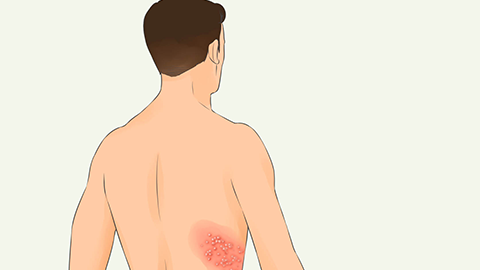
Typical manifestations of eczema include erythematous, swollen skin presenting as patches, linear lesions, or irregular shapes. Exudative lesions may become crusted. Skin damage can lead to erosion or ulceration, often accompanied by localized pruritus. In cases of extensive inflammatory exudation and chronic dermatitis, scaling and desquamation occur. Chronic involvement results in lichenification—skin thickening and wrinkling. In fungal dermatitis, alopecia develops at the affected site, with white, powdery crusts; beneath and surrounding these crusts, erythematous papules or plaques are commonly observed. We hope this information proves helpful!



