


What Causes a Twitch During Sleep?

Most people have likely experienced this phenomenon: just as they’re drifting off to sleep—or shortly after falling asleep—their entire body suddenly jerks or twitches. Sometimes, this is accompanied by a vivid sensation or illusion, prompting concerns about its impact on physical health. So, what causes this sudden twitching during sleep?
What Causes Sudden Twitching During Sleep?
Sudden twitching during sleep commonly stems from the following causes: electrolyte imbalances—particularly hypocalcemia, which may trigger muscle twitching during sleep; patients with osteoporosis are especially prone to hypocalcemia. Neurological dysfunction or instability in central nervous system regulation can also contribute. For instance, women undergoing menopause or puberty often experience hormonal fluctuations—especially imbalances in estrogen and progesterone—that lead to endocrine dysregulation and subsequent nocturnal twitching.
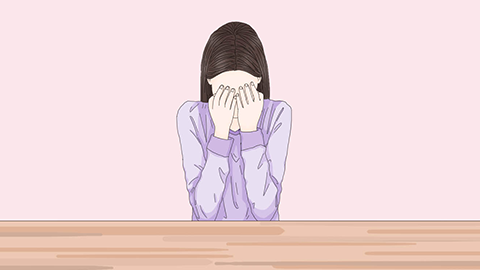
Prolonged emotional or psychological stress, or persistent mood instability, may likewise provoke sudden twitching during sleep. Inadequate deep-sleep duration—or an extended period of light sleep—can also predispose individuals to such twitches. Additionally, cerebrovascular disorders—including transient ischemic attack (TIA)—may manifest as sudden twitching during sleep.
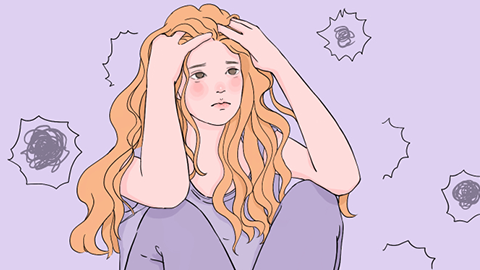
Occasional twitching during sleep is entirely normal and generally requires no concern. However, if such episodes occur frequently or persist over time, further evaluation is warranted—potentially indicating deficiencies in trace elements. Moreover, some individuals with epilepsy may experience nocturnal twitching or seizures; these patients should seek prompt medical attention and undergo appropriate diagnostic testing. We hope this information proves helpful!


