


What should I do if my hands crack in winter?

Winter is a relatively dry season; therefore, most people experience dry skin during this time, and in severe cases, skin fissures may develop. What should you do if your hands crack in winter?
What to Do for Cracked Hands in Winter
For cracked hands in winter, topical ointments can be applied. In fact, finger fissures are primarily caused by excessive cleansing and dry weather. As autumn and winter approach, applying petroleum jelly or glycerin can help prevent skin dryness and cracking. For individuals with dry, fissured hands, over-the-counter ointments containing mild corticosteroids may be purchased at pharmacies. If scaling is severe and accompanied by dryness and pain, low-concentration salicylic acid ointment or boric acid ointment may be used to soften calluses, moisturize the skin, and provide protective benefits.
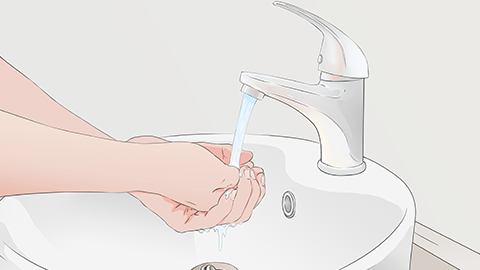
Additionally, proper cold-weather protection is essential. The primary causes of hand and foot fissures are cold temperatures and dry air. During cold winter months, special attention should be paid to keeping your hands warm. Furthermore, make it a habit to wear gloves when performing household cleaning tasks—regardless of whether water contact is anticipated. Gloves effectively shield the skin from exposure to detergents and other irritants. Choose gloves that fit loosely and comfortably to avoid additional irritation.
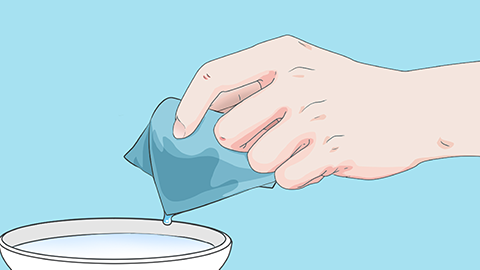
To prevent hand and foot fissures, minimize direct contact with cold water in daily life. Cold-water exposure often suppresses sebum production, leading to dry, dehydrated skin. Therefore, make a conscious effort to wash your hands with lukewarm water instead of cold water. We hope this information proves helpful!


