


What are the early symptoms of anal eczema?

The anus is an anatomically important region in humans; however, it is prone to various disorders—including perianal eczema—which, in severe cases, may interfere with defecation. Many patients are unaware of the symptoms associated with perianal eczema or of its early clinical manifestations.
What Are the Early Symptoms of Perianal Eczema?
Symptoms of perianal eczema include: - Intense, often intolerable or recurrent pruritus (itching) around the anus, typically worsening at night; - Increased moisture and exudation, localized erythema (redness), and erosion due to perianal dampness; - Perianal pain, commonly resulting from skin fissures caused by eczema or secondary infection following scratching; - Neuropsychiatric symptoms such as irritability, restlessness, and anxiety; - Gastrointestinal disturbances, including diarrhea or sticky,黏稠 stools; - Polymorphic skin lesions—such as papules, erythematous plaques, vesicles, erosions, exudation, crusting, and scaling—typically distributed symmetrically.
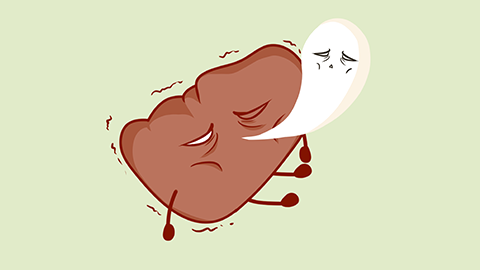
Perianal eczema is generally triggered by external factors, such as environmental conditions or climate. It may also result from physical or chemical irritants—including dry sunlight, ultraviolet radiation, certain plants, household chemicals, soaps, or synthetic fabrics—all of which can provoke eczematous reactions.
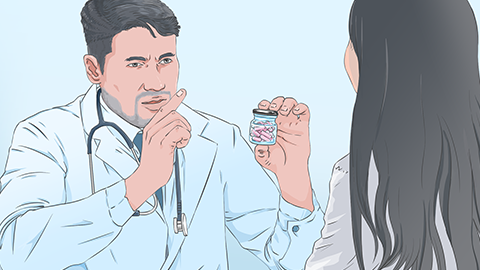
For managing perianal eczema, gentle cleansing of the anal area with warm water is recommended. Alternatively, adding a mild anti-inflammatory lotion or a small amount of edible salt to the water may enhance its anti-inflammatory and antimicrobial effects. Pat the area dry with a clean towel afterward. Underwear should be made exclusively of soft, breathable cotton to maintain dryness around the perianal skin—this helps prevent eczema recurrence. When necessary, topical anti-inflammatory ointments may be applied under medical guidance. We hope this information proves helpful!


