


How many times should the measles vaccine be administered in a lifetime?

Measles vaccination is a common immunization, yet most individuals are unaware of how many doses are required over a lifetime to ensure effective protection. How many doses of measles vaccine does one need throughout life?
How Many Doses of Measles Vaccine Are Required Over a Lifetime?
A total of two doses of measles-containing vaccine are recommended over a lifetime: the first dose is the measles-rubella (MR) vaccine, and the second is the measles vaccine. Both contain live attenuated measles virus. The MR vaccine is a combined live attenuated vaccine against measles and rubella. It is indicated for susceptible children aged eight months or older who have not previously contracted measles. During administration, note that 5–10% of vaccinated children may develop mild fever or transient rash on days 5–6 post-vaccination; these symptoms typically resolve spontaneously within two days. Rarely, some children may experience high fever, requiring symptomatic treatment.
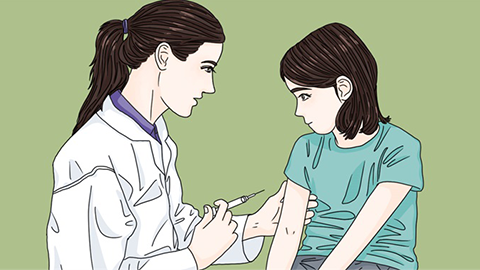
Important Considerations: The measles vaccine is highly sensitive to both heat and cold and readily loses potency at room temperature. It must be stored and transported at 4–8°C. Children with active fever or tuberculosis should defer vaccination. Children who have recently received immunoglobulin should postpone measles vaccination for at least three months. Additionally, administration of immunoglobulin should be avoided for at least two weeks following MR vaccination.
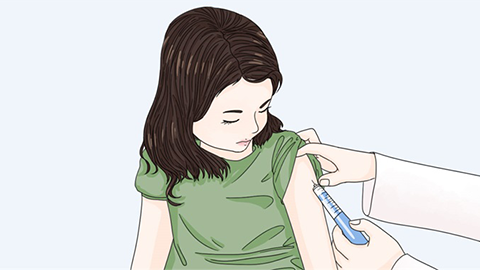
Measles is an acute, highly contagious infectious disease caused by the measles virus. It has a wide geographic distribution, with peak incidence occurring during winter and spring. Children constitute the highest-risk group, commonly presenting with acute systemic infection and generalized maculopapular rash. Complications may arise in some cases, potentially leading to severe adverse outcomes; thus, prevention and timely management are essential. We hope this information proves helpful.


