


How to Prevent Presbyopia

The onset of presbyopia is closely associated with age, extent of near-vision use, reading habits, and daily lifestyle factors. Although presbyopia is a physiological phenomenon, certain preventive measures can be adopted. So, how can presbyopia be prevented?
How to Prevent Presbyopia
Currently, there are no proven effective methods to prevent presbyopia. In most cases, the degree of presbyopia does not spontaneously decrease; rather, it tends to increase with advancing age. There is no particularly effective treatment available—corrective reading glasses remain the primary management option. Presbyopia is a natural physiological change: as people age, the lens gradually becomes more convex and hardened, while the ciliary muscle’s accommodative capacity declines, resulting in diminished focusing ability.

In addition to wearing reading glasses, patients should prioritize eye rest and healthy visual habits to help alleviate presbyopia symptoms. This includes minimizing prolonged near-vision tasks—especially reducing screen time on electronic devices such as smartphones and computers—and frequently gazing into the distance to relax the eyes. Viewing green plants and natural scenery is also beneficial.
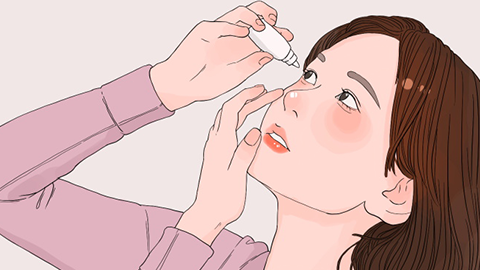
Adopting sound daily habits is essential: ensure adequate sleep, limit screen exposure (e.g., smartphones and tablets), and maintain a balanced diet rich in fresh fruits, vegetables, and vitamins—all of which may help delay the onset or progression of presbyopia. We hope this information proves helpful!


