


What deficiency causes night blindness?

Night blindness (nyctalopia) is an eye disorder typically characterized by impaired vision—such as blurred or unclear vision—in low-light conditions, including nighttime, dusk, or dimly lit environments. This condition is termed “night blindness.” So, what deficiency causes night blindness?
What Is Deficient in Night Blindness?
A small proportion of night blindness cases result from vitamin A deficiency; however, most cases are not nutritionally related but instead stem from genetic mutations or inherited disorders. Conventional supplementation with medications or vitamins is ineffective for hereditary night blindness. Vitamin A deficiency was historically more common among malnourished children or populations in pre-modern societies. Affected individuals may benefit from consuming vitamin A–rich foods such as lamb liver and carrots. β-carotene, found in many plant-based foods, can be converted into vitamin A in the body and thereby supports improved night vision.
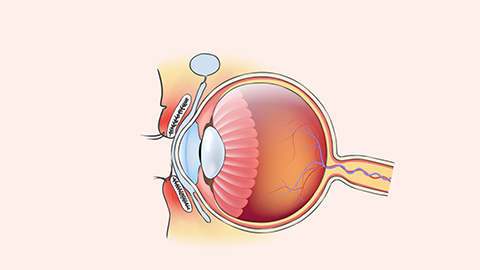
If night blindness arises from nutritional deficiency, increasing intake of lutein-rich foods—such as carrots and corn—may help improve symptoms. Conversely, if night blindness is caused by a genetic disorder, neither the aforementioned foods nor supplements offer any therapeutic benefit. Currently, gene therapy represents the only potentially effective treatment option; however, it is indicated only for select patients, and not all individuals with night blindness are eligible.

Symptoms are typically most pronounced under low-light conditions, such as at night. If you experience any of the above-mentioned symptoms of night blindness, prompt medical evaluation is recommended. We hope this information has been helpful. Wishing you good health and happiness!


