


How to Treat Eczema on the Fingers

Eczema on the fingers is primarily associated with contact of the hands with certain allergenic or irritant substances. So, how is finger eczema treated?
How to Treat Eczema on the Fingers
The fingers are a common site for eczema. Topical medications are typically used to treat hand eczema. Corticosteroid creams—such as compound flumetasone cream or halometasone cream—are commonly prescribed. If the skin is dry and scaling, moisturizing agents that support skin barrier repair may also be applied topically, including urea ointment, salicylic acid ointment, or hyaluronic acid–based repair creams. For severe fissuring, occlusive (occlusion) therapy may be employed. In daily life, avoid contact with strongly acidic or alkaline substances; if occupational exposure is unavoidable, wear protective gloves.
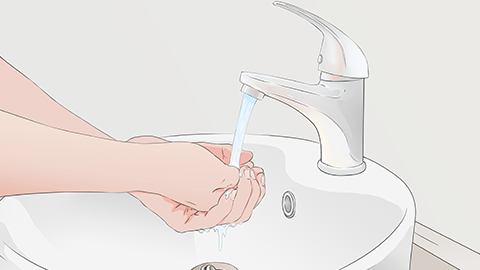
In managing eczema, it is essential to identify and eliminate underlying triggers, control skin lesions, and minimize recurrence. For finger eczema specifically, carefully investigate potential precipitating or exacerbating factors—for example, whether flare-ups consistently follow exposure to detergents or other occupational substances. If such associations exist, strict avoidance is recommended. Also avoid scratching, which can further irritate the skin. After washing, apply emollients or moisturizers to soothe and hydrate the skin, thereby supporting restoration of the skin barrier function.
Patients with finger eczema should avoid prolonged water immersion and refrain from touching affected areas to prevent secondary bacterial infection. With appropriate treatment, most cases of finger eczema can be effectively managed and resolved. We hope this article proves helpful to you!


