


What foods should be avoided in the diet for facial paralysis?

Facial paralysis primarily manifests as paralysis of the facial expression muscles on the affected side. What foods should patients with facial paralysis avoid?
Foods to Avoid in Facial Paralysis
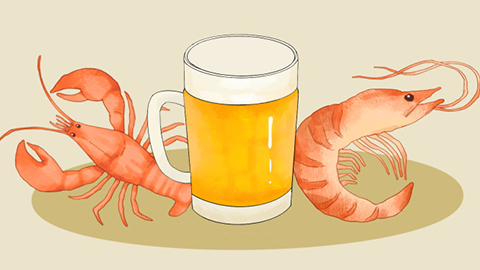
Patients with facial paralysis should avoid the following foods: - Refrain from consuming mung bean soup and other mung bean products; - Strictly avoid tobacco and alcohol, as they may interfere with treatment efficacy and potentially worsen symptoms; - Avoid spicy foods such as scallions, ginger, garlic, and chili peppers, and do not consume raw or uncooked foods; - Avoid strong tea and strong coffee; wash your face—and preferably your hands—with warm water instead of cold water; - Avoid seafood and “trigger” foods (i.e., foods believed to provoke or exacerbate conditions), such as cilantro and egg yolk; - When consuming fresh produce or fruits taken from the refrigerator, allow them to sit at room temperature for 3–4 hours before eating—strictly avoid cold or raw foods.
Facial nerve palsy—commonly known as “facial paralysis”—is an acute condition characterized primarily by paralysis of the facial expression muscles on the affected side, resulting in drooping of the mouth and eye, loss of forehead wrinkles, inability to frown or wrinkle the forehead, and incomplete or absent eyelid closure. Based on the lesion location, it is classified into central and peripheral facial paralysis. Central facial paralysis results from lesions affecting the corticobulbar tract between the cerebral cortex and the facial nerve nucleus.

Peripheral facial paralysis—also termed facial neuritis or Bell’s palsy—is the most common facial nerve disorder, accounting for over 70% of all facial paralysis cases. It is often attributed to nonspecific inflammation of the facial nerve within the stylomastoid foramen. Prognosis is generally favorable. We hope this information proves helpful to you!


