


Can perianal eczema heal spontaneously?

Perianal eczema—though occurring in an inconspicuous location—can significantly compromise overall health. Therefore, it is essential to recognize and take seriously the potential harms associated with eczema. So, can perianal eczema resolve spontaneously?
Can Perianal Eczema Resolve Spontaneously?
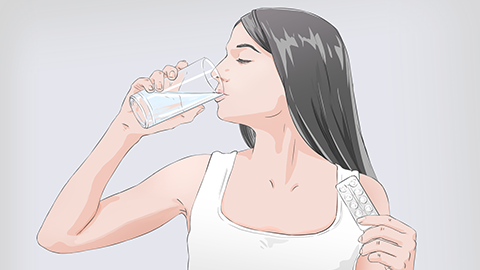
Perianal eczema does not resolve spontaneously. It is a common allergic dermatitis affecting the perianal skin, typically resulting from prolonged moisture exposure or chronic irritation by fecal matter. Primary symptoms include scattered papules and vesicles, erythematous (reddened) base around the anus, and intense pruritus (itching). Scratching may rupture the vesicles, leading to local ulceration, inflammation, and serous exudation. Since spontaneous resolution is unlikely, pharmacological treatment is necessary. Initial management may involve topical application of calamine lotion, followed by mometasone furoate cream. Concurrently, oral antihistamines—such as diphenhydramine hydrochloride or cetirizine—or oral fluoroquinolones (e.g., ofloxacin) may be prescribed, depending on clinical assessment.
Some cases of eczema are associated with microbial infection. Potential causative microorganisms include Staphylococcus aureus, Malassezia species, and airborne fungi such as Alternaria, Cladosporium, Penicillium, Aspergillus fumigatus, Fusarium, Scopulariopsis brevicaulis, Aspergillus niger, and Rhizopus nigricans.
Patients should avoid scratching the perianal skin indiscriminately. During active disease, individuals with perianal eczema frequently experience severe pruritus, causing restlessness and discomfort. At such times, it is crucial to refrain from scratching the perianal area with bare hands, as this may cause skin abrasions and predispose to secondary bacterial infection or inflammation of the anus. We hope this information proves helpful to you.


