


What should I do if the skin around my eyes turns yellow?

Yellowing of the periorbital skin is often closely associated with common periorbital hyperpigmentation. Because the skin around the eyes is extremely thin, it is particularly prone to such changes. So, how should yellowing of the periorbital skin be managed?
Management of Periorbital Skin Yellowing
If you notice yellowing of your periorbital skin, ensure adequate intake of nutrient-rich, health-supportive foods. Routinely use eye creams, and consider incorporating eyeliner (for cosmetic enhancement) and eye masks into your regimen. These measures can help improve overall skin quality and hydration, thereby mitigating the adverse effects of sleep deprivation and poor sleep quality in daily life. To identify the underlying cause, it is advisable to consult a reputable hospital for a thorough evaluation and receive targeted treatment.
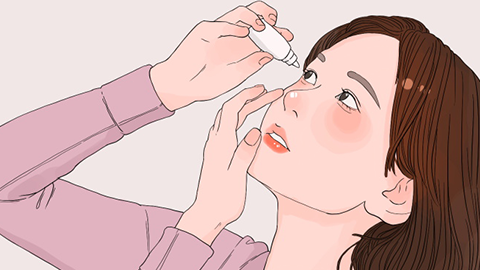
In most cases, localized inflammatory reactions lead to mucosal congestion and edema, dilation of submucosal capillaries, and stasis of blood circulation in the periorbital veins. This results in rupture and accumulation of red blood cells in the local eyelid skin, manifesting as yellowish discoloration. Treatment should include anti-inflammatory agents—such as ibuprofen eye drops or Tobradex ointment—to reduce edema.

Habitual late-night activity, poor sleep quality, and excessive eye strain may trigger ciliary muscle spasm and meibomian gland dysfunction, contributing to periorbital skin yellowing. Timely intervention with antifatigue eye drops (e.g., Cysteine Eye Drops) and therapies aimed at improving microcirculation is recommended. Additionally, this symptom may stem from systemic conditions—including allergic reactions or hepatic/renal impairment—and thus warrants prompt diagnosis and management. We hope this information proves helpful to you!


