Red blood cells in the human body can survive for several days.
Apr 28, 2022
Source: Cainiu Health

Dr. Li Man
Introduction
Red blood cells in the human body survive for approximately 120 days. They are responsible for delivering oxygen to all parts of the body and transporting waste gases (e.g., carbon dioxide) to the lungs for elimination. New red blood cells are produced daily. Blood consists of plasma and blood cells suspended within it. The total volume of plasma and blood cells in the body—i.e., the entire volume of blood—is referred to as the blood volume.
Many people are unaware of how long red blood cells (RBCs) survive in the human body. So, how long do red blood cells live in human blood?
How long do red blood cells survive in human blood?
Red blood cells in the human bloodstream typically survive for approximately 120 days. They are responsible for delivering oxygen to all tissues and organs throughout the body and transporting carbon dioxide—the metabolic “waste gas”—back to the lungs for elimination. New red blood cells are produced daily. Blood consists of plasma and blood cells suspended within it; the total volume of plasma and blood cells in the body is referred to as the total blood volume.
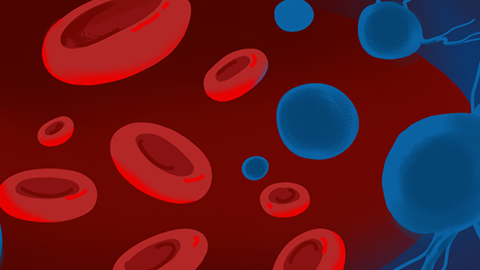
Under normal physiological conditions, the entire blood volume is completely renewed approximately every 120 days. Since the average lifespan of a red blood cell is about 120 days, new RBCs are continuously generated while aged ones are simultaneously removed from circulation—primarily broken down and metabolized by the spleen. This process constitutes a normal part of cellular turnover and metabolism. However, if a medical examination reveals abnormally low RBC counts, this may indicate an underlying pathological condition, and further diagnostic evaluation is strongly recommended.
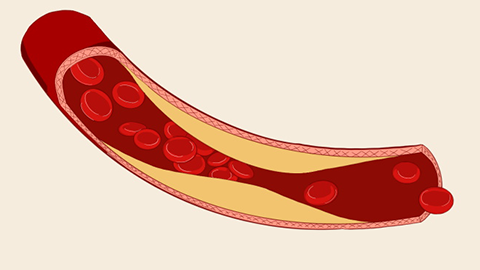
In newborn infants, RBC lifespan may be shortened—typically lasting around 60 to 80 days—mainly due to their accelerated metabolic rate. Similarly, patients with chronic diseases often experience increased RBC destruction, leading to a modest reduction in RBC survival time. Blood donation guidelines stipulate a minimum interval of four months between donations, largely based on the 120-day RBC lifespan to ensure adequate recovery of red blood cell mass. We hope this information has been helpful!