


Does hemoptysis caused by bronchiectasis pose a life-threatening risk?

Bronchiectasis is a serious medical condition. It is essential to remain vigilant about this disease. Once symptoms are detected, prompt medical evaluation and treatment at a hospital are critical—any delay may lead to progressive worsening of the condition. In particular, when hemoptysis (coughing up blood) occurs in bronchiectasis, does it pose a life-threatening risk?
Does hemoptysis in bronchiectasis pose a life-threatening risk?
Yes, bronchiectasis complicated by hemoptysis can endanger life. During an acute exacerbation of bronchiectasis, significant hemoptysis may occur, potentially leading to massive bleeding that obstructs the airway and causes asphyxiation—thereby threatening life. In contrast, if hemoptysis results from minor capillary injury and involves only small amounts of blood, the blood may be expectorated spontaneously without major complications, thus having minimal impact on daily life. Nevertheless, hemoptysis associated with bronchiectasis inflicts substantial harm on the body, exacerbating respiratory tract infection. Moreover, recurrent or large-volume hemoptysis may lead to anemia.
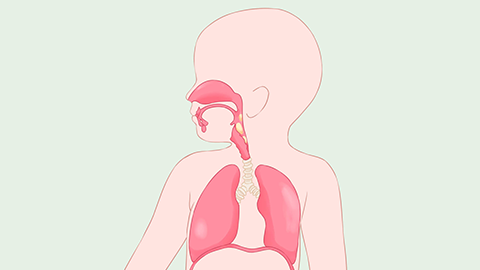
The clinical manifestations of hemoptysis in bronchiectasis depend on both the underlying infectious triggers and the volume of blood expectorated. A classic presentation includes recurrent, sudden-onset cough and sputum production. With severe coughing, blood streaks may appear in the sputum, or small amounts of blood may be expectorated. If large volumes of blood are coughed up at once, patients may develop pallor, cyanosis of the lips, and generalized weakness. Additionally, some patients may produce copious purulent sputum and experience recurrent fever. In such cases, immediate hospital referral and inpatient management are required.

Daily self-care is equally important. Regular moderate exercise, a balanced diet, and adequate rest all contribute significantly to maintaining health. Furthermore, during autumn, attention should be paid to staying warm and preventing respiratory infections. We hope this information is helpful to you. Wishing you good health and happiness in life.


