


What types of milk can elderly individuals with diabetes consume?

In daily life, many people suffer from diabetes, which causes significant harm to their physical health and severely impacts their quality of life and work performance. Diabetic patients must carefully manage their diet and cannot eat freely; however, adequate caloric intake and comprehensive nutrition remain equally essential for them. So, what types of milk can elderly diabetic patients consume?
What Types of Milk Can Elderly Diabetic Patients Drink?
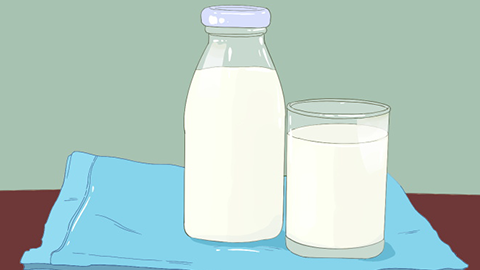
Elderly diabetic patients may consume various types of milk, including whole milk, reduced-fat (semi-skimmed) milk, skimmed (fat-free) milk, and yogurt—provided the daily intake remains within the limits prescribed by their physician. Milk contains valuable nutrients such as protein, calcium, and phosphorus; a daily intake of approximately 200–250 mL is generally recommended. Some individuals prefer drinking milk in the morning, while others favor doing so in the evening—choice depends on personal preference and routine. Importantly, sugar or honey must not be added to milk, as these substances can cause blood glucose levels to rise. Only plain, unsweetened milk should be consumed. For patients with elevated blood lipid levels, reduced-fat or skimmed milk is advisable; those with normal lipid levels may safely consume whole milk. Given its rich nutritional profile, milk offers substantial benefits for diabetic patients; however, sweetened additives should never be included when consuming milk.
Dietary principles for elderly diabetic patients should emphasize light, easily digestible foods. As older adults often experience decreased physical activity, dietary restrictions may be moderately relaxed. Three balanced meals per day are ideal. Each main meal should contain approximately 50–100 g of staple carbohydrates, such as rice, steamed buns, flower rolls, stuffed buns, or dumplings. It is recommended to consume about 500 g of vegetables daily, particularly leafy greens and carrots. A low-salt, low-fat diet is crucial: daily salt intake should remain under 5 g, and approximately 200 mL of milk may be consumed daily. In the absence of edema, increased intake of soy-based products is encouraged.

Patients should maintain a light, balanced diet, ensure adequate hydration, and achieve energy balance through appropriate physical activity and rational medication use—thereby attaining or maintaining a healthy body weight. We hope this information proves helpful to you!


