


What are the developmental milestones for a 3-month-old baby?

For some first-time mothers, caring for a newborn may feel unfamiliar, especially regarding the baby’s growth and development. What are the developmental milestones for a 3-month-old infant?
What Are the Developmental Milestones for a 3-Month-Old Infant?
At three months of age, the average height is approximately 62 cm, the average weight is about 7 kg, and the average head circumference is around 40 cm. Additionally, most 3-month-olds can lift their heads, track moving objects with their eyes, smile in response to interaction, respond to caregivers, and some may even begin rolling over.
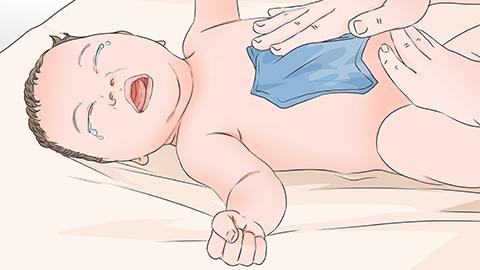
Individual infants vary in height, weight, and head circumference. As long as measurements fall within the normal range, they are considered healthy. For 3-month-old boys, the typical height range is 55–69 cm, weight 4.5–9.3 kg, and head circumference 36–44 cm. For girls, the corresponding ranges are 54–67 cm in height, 4.4–8.7 kg in weight, and 36–43 cm in head circumference.

By three months, an infant’s skeletal development has progressed significantly, making it especially important to pay attention to nutrition, sleep, and physical activity during feeding. Since many babies have already mastered rolling over by this age, caregivers must take precautions to prevent accidental falls. Around this time, infants also begin lifting their heads more steadily while lying on their stomachs. When sleeping, it is advisable to use an infant pillow to support proper head and neck positioning. Feeding should be done “on demand” (i.e., responsive feeding) according to the baby’s cues. We hope this information is helpful!


