


What Are the Symptoms of Pneumonia in a 2-Month-Old Baby?

In daily life, newborn babies are highly susceptible to diseases such as pneumonia due to their underdeveloped immune systems. What symptoms might a 2-month-old infant exhibit if they develop pneumonia?
Symptoms of Pneumonia in a 2-Month-Old Infant
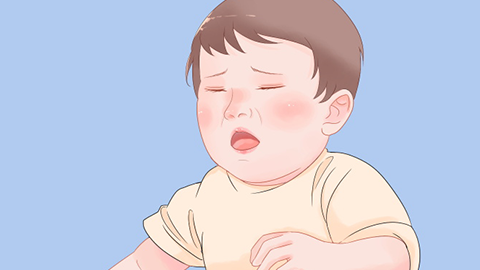
Symptoms of pneumonia in a 2-month-old infant may be subtle and nonspecific—such as coughing, nasal congestion, runny nose, or sneezing—with fever occurring less frequently. Key clinical signs include changes in general appearance and respiratory status. Some infants may develop frothy secretions around the mouth. On auscultation, fixed fine crackles (rales) heard over the lungs constitute a primary diagnostic clue for pneumonia. Additionally, a chest X-ray is essential for confirmation; the presence of pulmonary infiltrates (e.g., patchy or hazy opacities) on imaging further supports the diagnosis.
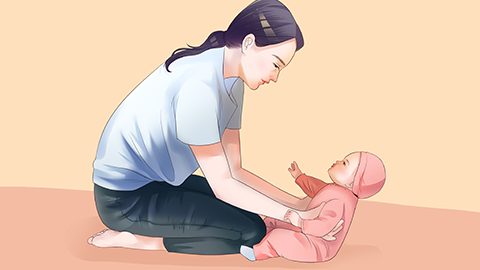
Treatment of pneumonia includes two main components: 1. Etiology-directed antimicrobial therapy: This is the cornerstone of management. • Bacterial infection (most commonly community-acquired pneumonia) is often caused by Gram-positive organisms; first-line agents include penicillins, first- and second-generation cephalosporins, and piperacillin-tazobactam. • Mycoplasma pneumoniae infection may be treated with levofloxacin (though use in infants requires careful risk-benefit assessment and is generally avoided unless absolutely necessary; azithromycin is preferred in young infants). • Viral-bacterial co-infection warrants combined antibacterial therapy and supportive care; adjunctive traditional Chinese medicine may be considered alongside conventional treatment, but only under professional guidance. • Fungal infections require antifungal agents such as fluconazole or voriconazole. 2. Symptomatic and supportive management: Includes airway clearance (e.g., suctioning, chest physiotherapy), bronchodilation (if wheezing is present), antipyretics for fever, and intravenous or oral rehydration as needed. Antimicrobial therapy remains the fundamental treatment.
Newborns have immature immune and defense systems; therefore, parents and caregivers should pay close attention to their infants’ health and well-being. We hope this information proves helpful!


