


Can a two-month-old baby’s eczema resolve spontaneously?

Infantile eczema is relatively common in daily life. When it occurs, parents—especially mothers and fathers—often become anxious, as eczema causes itching, leading infants to cry frequently, become restless, and experience disrupted sleep. Can eczema in a two-month-old baby resolve spontaneously?
Can eczema in a two-month-old baby resolve spontaneously?
Eczema in two-month-old babies generally resolves spontaneously. With careful nursing and appropriate care, most cases gradually improve and disappear by the age of one year. As the infant grows stronger and their immune function matures, eczema becomes increasingly uncommon.
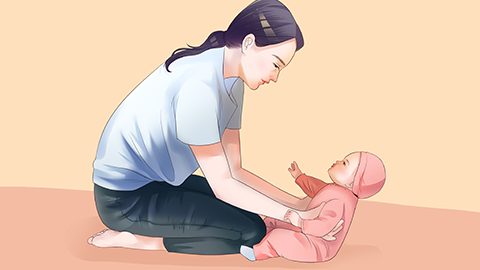
However, if eczema recurs frequently or covers an extensive area and is particularly severe, allergic causes should be considered. It is advisable to consult a pediatrician for relevant diagnostic tests to determine whether allergens are triggering the eczema. If the infant has an atopic (allergic) constitution, exposure to dietary or environmental allergens—especially irritants—should be minimized. Reducing such exposures may help alleviate eczema symptoms over time. Persistent, untreated eczema may progress to atopic dermatitis, which complicates management and treatment.
If your baby develops infantile eczema, avoid scratching the affected areas during treatment and care. Keep the baby’s nails trimmed regularly, and consider using infant mittens at night to prevent accidental scratching, which could lead to ulceration or secondary infection. Proper care during the eczema phase is crucial. For more severe cases, active medical intervention is recommended. Current treatment options include topical medications, systemic therapies, and physical treatments. We hope this information is helpful to you.


