


What should I do if my face is itchy due to an allergic reaction?

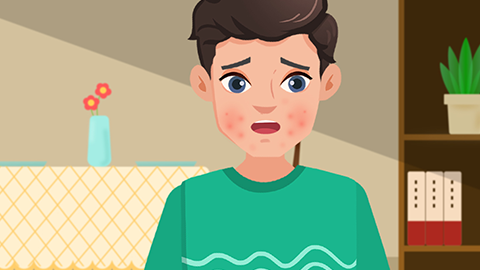
Many people experience facial allergic reactions in daily life, often accompanied by itching. If left untreated, such reactions can damage skin health. So, what should one do when experiencing facial allergy and itching?
What to Do for Facial Allergy and Itching
The facial skin is constantly exposed to the external environment and is therefore highly susceptible to allergic reactions triggered by various chemical and physical factors. Common causes of facial allergy fall into the following major categories: First, cosmetics—many cosmetic products contain numerous allergenic ingredients that can provoke facial allergic reactions; Second, environmental factors—including ultraviolet (UV) radiation, pollen, and willow catkins; Third, dietary or medicinal triggers—following facial allergy onset, patients may develop erythematous patches and papules on the skin, accompanied by pruritus (itching).

Management strategies following facial allergic reaction include the following: 1. Actively identify and eliminate the underlying cause; 2. Apply cold compresses to alleviate facial erythema and swelling—0.9% normal saline or 3% boric acid solution may be used for cold or wet compresses, respectively; 3. Topical anti-allergic medications may be applied. Commonly used agents include low-potency corticosteroids and calcineurin inhibitors. In cases of severe allergy, systemic antihistamines or other oral anti-allergic medications are also required.
Patients should wear masks when outdoors and avoid known allergens to effectively reduce the incidence of allergic reactions. When symptoms become severe, prompt medical consultation is essential, and treatment should be administered under a physician’s guidance. We hope this information proves helpful to you!


