


Can people with diabetes drink bone soup after their blood glucose levels have stabilized?

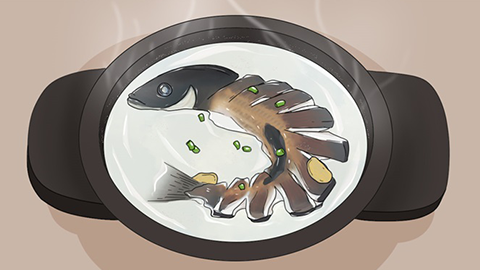
Bone broth—particularly made from large bones—is a commonly consumed soup in daily life. It is rich in calcium and may help boost immunity. Many individuals with diabetes also enjoy drinking bone broth. So, once blood glucose levels are stabilized, can people with diabetes safely consume bone broth?
Can people with diabetes drink bone broth after achieving stable blood glucose control?
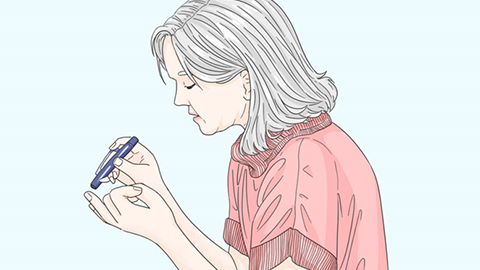
Individuals with diabetes may consume bone broth in moderation—but excessive intake should be avoided. Although bone broth is nutritionally rich, it also contains high levels of fat. Regular consumption may lead to dyslipidemia, which poses risks for people with diabetes. Patients must follow evidence-based, physician-guided treatment regimens—including appropriate use of antihyperglycemic medications and insulin—and monitor blood glucose levels regularly. Additionally, dietary management remains critical: patients should reduce total caloric intake and avoid high-calorie foods. Instead, they should emphasize high-fiber whole grains, leafy green vegetables, fresh fruits, vitamins, and dietary fiber—ensuring balanced, nutrient-dense meals. Regular physical activity is also essential for weight management.
If you have been diagnosed with diabetes, try not to experience excessive psychological stress. Diabetes is a preventable and manageable condition. First and foremost, dietary control is vital—daily caloric intake must be carefully regulated. Within the same caloric limit, high-calorie foods should be minimized, and body weight maintained within the healthy range. For overweight or obese individuals, weight loss should be prioritized. Alongside dietary adjustments, regular physical exercise is crucial. We recommend increasing structured physical activity—especially aerobic exercise—to burn excess calories. Examples include brisk walking, jogging, cycling, and swimming. Furthermore, individuals with diabetes require routine screening for blood glucose levels and diabetes-related complications, and may need pharmacologic therapy—including oral hypoglycemic agents or insulin—when indicated.
In daily life, individuals with diabetes should pay close attention to nutritional supplementation and food selection—avoiding high-sugar, high-calorie foods—to prevent disease progression and safeguard overall health and quality of life. We hope this information proves helpful to you!


