


What to Do When a Baby Has Persistent Hiccups: How to Stop Them

Hiccups are a common phenomenon, especially in infants who often hiccup after consuming too much milk. So what should parents do if their baby hiccups persistently—and how can hiccups be stopped?
What to Do When an Infant Hiccups Persistently—and How to Stop Them
Infant hiccups are typically triggered by swallowing cold air. Giving the newborn warm water or breast milk may help alleviate hiccups by stimulating gastrointestinal motility and relaxing the diaphragm. However, it is crucial to control the flow rate of liquids. Using an inverted nipple—where water or milk drips slowly, drop by drop—is ideal for newborns. A rapid flow rate may provoke hiccups; during breastfeeding, gently compressing the areola with your fingers helps regulate milk flow, enabling the infant to feed at a steady pace and thereby reducing the risk of hiccups.
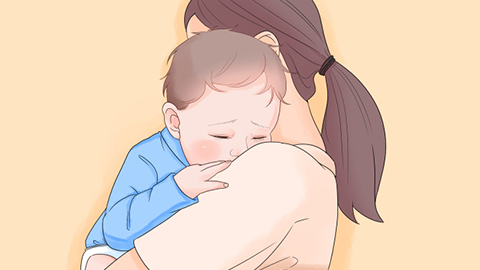
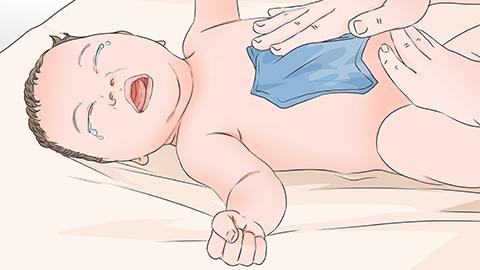
Parents may hold the newborn upright against their chest and gently pat the baby’s back to facilitate burping and stop hiccups. Persistent hiccups may also result from overfeeding—when undigested milk remains in the stomach and triggers gastric reflexes. In such cases, gently massaging the newborn’s abdomen in a downward motion can aid digestion and relieve hiccups. Additionally, covering the baby’s abdomen with a light blanket or warm cloth helps maintain abdominal warmth, which may further assist in stopping hiccups. If hiccups continue, parents can use toys or other engaging stimuli nearby to divert the newborn’s attention, potentially interrupting the hiccup reflex.
Parents are advised to monitor feeding pace during breastfeeding. Avoid feeding when the newborn is crying, as this increases the likelihood of air swallowing and subsequent hiccups. We hope this information proves helpful. Wishing you good health and happiness!


