


Can people with diabetes consume lotus seed soup?

Lotus seed soup is a commonly consumed nourishing broth known for its effectiveness in improving overall physical health. However, dietary requirements for individuals with diabetes differ significantly from those of healthy individuals due to biochemical and metabolic considerations. So, can people with diabetes consume lotus seed soup?
Can people with diabetes consume lotus seed soup?
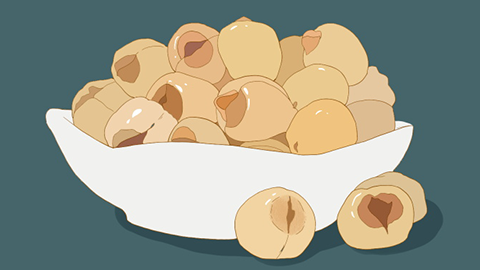
Yes, individuals with diabetes may consume lotus seed soup. Lotus seeds are rich in protein, various vitamins, and trace elements. Nevertheless, people with diabetes should exercise caution when consuming them. Lotus seeds contain a high proportion of starch—approximately 60–70%. When used in cooking (e.g., in soups or porridges), small amounts are acceptable. However, if larger quantities are consumed, corresponding reductions in staple foods (e.g., rice, noodles, or bread) are necessary. Otherwise, excessive caloric intake may occur, undermining the effectiveness of dietary management for diabetes. Indeed, medical nutrition therapy forms the cornerstone of diabetes management, upon which all other therapeutic interventions—including medications and lifestyle modifications—are built. This dietary approach involves strict control over total daily caloric intake, including specific limits on carbohydrates, fats, proteins, and fruits. Excessive consumption of lotus seeds—or adding extra carbohydrate-rich ingredients—can easily cause caloric intake to exceed recommended levels. Therefore, if more lotus seeds are consumed, an equivalent reduction in staple food portions is advised.
Diabetes dietary management primarily focuses on controlling total caloric intake while ensuring adequate nutrition to meet physiological needs. First, avoid all sugary foods—such as glutinous rice cakes, carbonated beverages, bananas, red dates, and other sweets. Second, avoid refined, highly gelatinized carbohydrate sources—including congee (rice porridge), oatmeal, rice noodles, and overly soft or overcooked pasta. Third, avoid high-calorie foods such as deep-fried items and nuts. That said, occasional consumption of these foods is not strictly prohibited—if included, they must replace other foods in the meal plan to maintain overall caloric balance.
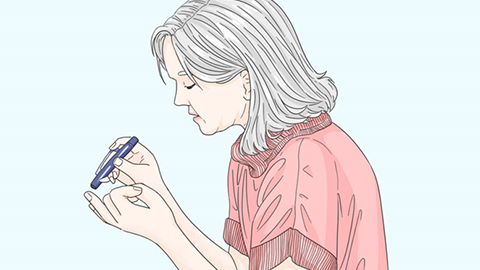
In daily life, pay close attention to individuals with diabetes around you, particularly their dietary habits. Avoid excessive sugar intake, as it may exacerbate diabetes and jeopardize health. Severe, uncontrolled diabetes can lead to serious complications—including blindness. We hope this information proves helpful to you!


