


Best Traditional Chinese Medicine (TCM) Treatments for Eczema in Children

Eczema is a relatively common condition in daily life, particularly prevalent among children. Parents often opt for Traditional Chinese Medicine (TCM) treatments, which can yield favorable therapeutic outcomes. What is the optimal TCM approach for treating eczema in children?
Optimal TCM Treatments for Childhood Eczema
Ku Shen (Sophora flavescens) Therapy: Ku Shen is a well-known traditional Chinese herb with anti-inflammatory and antipruritic properties. When used appropriately, it can produce excellent therapeutic effects. Honeysuckle (Jin Yin Hua) Therapy: Honeysuckle is another commonly used TCM herb known for its heat-clearing and detoxifying effects, offering certain benefits in managing childhood eczema. Wild Chrysanthemum (Ye Ju Hua) Therapy: Wild chrysanthemum is a TCM herb valued for its cooling, fire-purging, antibacterial, and itch-relieving properties—making it suitable for treating eczema in children.

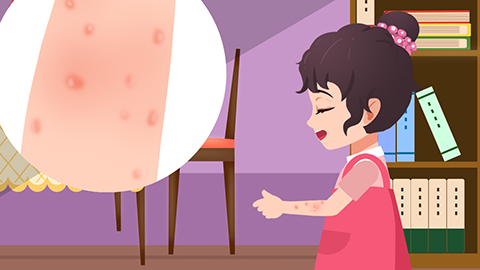
The primary clinical manifestations of childhood eczema include erythematous macules and papules, often accompanied by pruritus of varying severity. It commonly occurs on the face, anterior chest, and extensor surfaces of the limbs, and is frequently associated with dry, scaly skin. Based on disease duration, eczema can be classified into three stages: acute, subacute, and chronic—each exhibiting distinct characteristics. For instance, during the acute phase, erosion and exudation are typically observed; in the chronic phase, lichenification and excoriations predominate; while the subacute phase lies between these two extremes—lacking both erosion/exudation and marked lichenification.
During recovery, it is essential to prevent children from scratching affected areas, as this may lead to hypertrophic scarring and compromise overall appearance. We hope this information proves helpful!


