


What is the most serious complication of rheumatic fever in children?

Rheumatic fever in children is caused by infection with group A beta-hemolytic streptococcus, often following an inadequately treated viral upper respiratory infection. What is the most serious complication of rheumatic fever in children?
What is the most serious complication of rheumatic fever in children?
The most serious complication of rheumatic fever in children is cardiac involvement, manifesting as rheumatic heart disease or subclinical heart disease. If the heart is affected and the condition is not managed with appropriate treatment and long-term secondary prevention, the cardiac disease may recur and progressively worsen. By midlife, it may progress to chronic valvular heart disease or chronic heart failure—significantly impairing quality of life. Rheumatic fever can even be life-threatening. It is a systemic, non-suppurative inflammatory disorder of connective tissue triggered by group A beta-hemolytic streptococcal infection, representing a major threat to the health and lives of school-aged children and adolescents. Rheumatic fever primarily affects the heart, joints, central nervous system, skin, and subcutaneous tissues. Recurrent or chronic disease may lead to permanent cardiac valve damage.

Treatment of pediatric rheumatic fever is primarily pharmacologic. During the acute phase, children should remain on strict bed rest, limit physical activity, consume easily digestible foods, and receive appropriate supplementation of vitamins and high-quality protein.
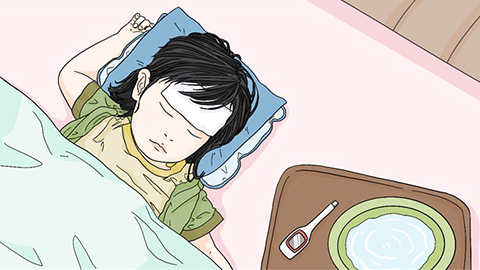
Additionally, anti-infective agents are used to eradicate the streptococcal infection focus. Penicillin is the first-line choice; for patients with penicillin allergy, alternatives such as erythromycin or azithromycin may be used. Low-dose prednisone may also be added adjunctively. Regular follow-up visits and periodic re-evaluations are essential. The above information is for reference only. Specific medications should be selected and administered under the guidance of a specialist physician based on individual clinical circumstances. We hope this article has been helpful. Wishing you a happy and healthy life.


