


Can people with high blood sugar eat dried sweet potatoes?

Sweet potatoes can enhance skin resistance. As a component of the human immune system, the skin serves as the body’s first line of defense against external threats such as bacteria and viruses. With improvements in living standards, people often process sweet potatoes into dried sweet potato snacks. However, certain populations should avoid consuming dried sweet potatoes. So, can individuals with high blood glucose consume dried sweet potatoes?
Can individuals with high blood glucose consume dried sweet potatoes?
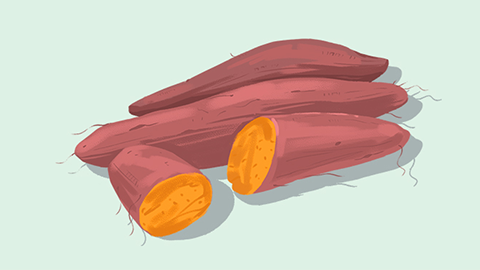
Dried sweet potatoes contain relatively high levels of sugar and starch, which may cause sharp fluctuations in blood glucose levels and adversely affect overall health. Therefore, individuals with elevated blood glucose are generally advised to avoid consuming dried sweet potatoes.
For individuals with diabetes, both dietary management and regular physical activity are essential. Physicians frequently emphasize that the diabetic diet represents a highly health-conscious lifestyle—one that is also suitable for the general population without diabetes. A popular mnemonic for diabetic dietary principles is: “Three meals daily, at fixed times and consistent portions; low oil, low fat; no added sugar or excessive salt.” Daily intake may include one egg, one serving of milk, generous amounts of vegetables, and limited meat and staple foods. Between meals, moderate fruit consumption—such as half an apple—is acceptable, as is a small handful of nuts. It is advisable to avoid congee (rice porridge) for breakfast, as it tends to cause post-breakfast hyperglycemia and pre-lunch hypoglycemia. In cases where some diabetic patients experience intense hunger yet have unexpectedly normal blood glucose readings, they may consume low-glycemic-index foods that promote satiety—such as tomatoes and cucumbers.
We hope this article has been helpful to you!


