


Can people with high blood sugar eat spinach?

In daily life, many people experience elevated blood glucose levels, which can harm the body and significantly impair quality of life and work performance. Individuals with high blood glucose must pay close attention to their diet, as food intake directly influences blood sugar levels. So, can people with high blood glucose eat spinach?
Can people with high blood glucose eat spinach?
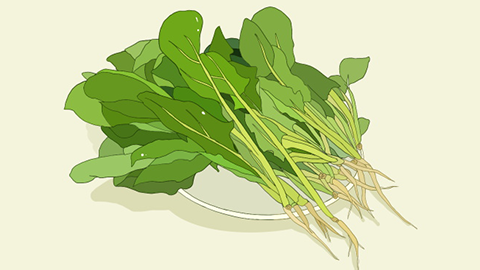
Yes—people with high blood glucose may consume spinach in moderation. Spinach is rich in dietary fiber, potassium, magnesium, vitamin K, and other essential nutrients, while being naturally low in sugar. Moderate consumption typically causes only minimal fluctuations in blood glucose and provides valuable nutritional benefits. However, individuals with high blood glucose should pay attention to cooking methods: steaming, boiling in soup, cold mixing (e.g., blanched and dressed), or stir-frying are preferable, as these have minimal impact on blood glucose. Boiling for extended periods or deep-frying after coating with flour is generally discouraged, as such methods may adversely affect glycemic control. Additionally, it is advisable to briefly blanch spinach in hot water before consumption to reduce oxalate content and minimize the risk of calcium oxalate kidney stone formation.
Individuals with high blood glucose should follow specific dietary guidelines: avoid high-sugar and high-fat foods—including candies, organ meats (e.g., liver), and fatty cuts of meat—and limit total caloric intake. Refrain from binge eating; instead, prioritize fresh vegetables and low-glycemic fruits such as cucumbers, cherry tomatoes, Chinese cabbage, and cauliflower.

Adopt a pattern of eating smaller, more frequent meals throughout the day to avoid overeating. Regular physical activity is also recommended, as it helps lower blood glucose levels and enhances immune function. We hope this information proves helpful!


