


Can people with high blood sugar eat boiled peanuts?
May 06, 2022
Source: Cainiu Health

Dr. Pan Yongyuan
Introduction
Individuals with high blood sugar may consume boiled peanuts, but portion size must be strictly controlled—do not eat as much as healthy individuals. A single serving should be limited to 4–5 peanuts, and they should be consumed only between meals. Peanuts contain unsaturated fatty acids (e.g., arachidonic acid) and are relatively high in fat; excessive intake may elevate blood lipid levels. The total daily intake of peanuts should ideally not exceed 50 g. Additionally, carbohydrate intake from staple foods should be appropriately reduced based on individual blood glucose levels.
In daily life, many people experience elevated blood glucose levels. This not only harms the body but also significantly impairs quality of life and work performance. Individuals with high blood glucose must pay close attention to their diet, as food intake directly influences blood glucose levels. So, can people with high blood glucose eat boiled peanuts?
Can people with high blood glucose eat boiled peanuts?
Yes, individuals with high blood glucose may consume boiled peanuts—but in strictly limited quantities. Unlike healthy individuals, they should not eat large amounts at once; instead, a serving should consist of only 4–5 peanuts, consumed between meals. Peanuts contain unsaturated fatty acids and arachidonic acid, yet they are also high in fat and oil. Excessive consumption may elevate blood lipid levels. The total daily intake of peanuts should ideally not exceed 50 grams, and carbohydrate-rich staple foods should be proportionally reduced based on individual blood glucose levels.
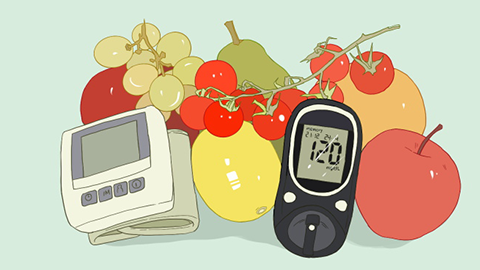
Individuals with diabetes should observe the following precautions: 1. Diet: While dietary restrictions for diabetes are relatively flexible, patients must carefully control portion sizes—especially of staple foods. It is recommended that each serving of staple food (raw weight) not exceed 100 grams. 2. Physical activity: Patients should engage in moderate-intensity exercise, provided their health condition permits. Such activity helps regulate blood glucose and improve insulin resistance.

In daily life, adopt a pattern of eating smaller, more frequent meals and avoid overeating or binge eating. Regular, appropriate physical exercise is also essential—it helps lower blood glucose levels and enhances immune function. We hope this information proves helpful!


