


Can people with high blood sugar eat okra?

Patients with elevated blood glucose levels—especially those with mild hyperglycemia—typically do not require pharmacological treatment and instead manage their condition gradually through dietary interventions. So, can individuals with high blood sugar consume okra?
Can individuals with high blood sugar consume okra?
Yes, individuals with high blood sugar may consume okra. Often referred to as the “king of vegetables,” okra is rich in vitamin C and plant-based protein. Traditionally, it is used in Chinese medicine to soothe sore throats, promote urination, stimulate lactation, and regulate menstruation. For people with diabetes, consuming okra helps supplement plant-derived protein and vitamin C while contributing to blood glucose reduction; thus, okra is suitable for diabetic patients. Diabetes primarily results from pancreatic islet dysfunction or failure, leading to impaired glucose utilization—factors often linked to lifestyle habits or familial predisposition.
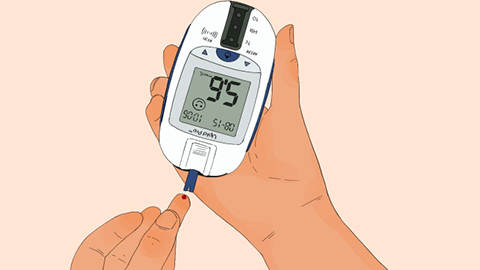
For individuals with hyperglycemia, it is advisable to reduce intake of refined rice flour products and instead increase consumption of whole grains—such as brown rice, buckwheat, and black rice—which are high in dietary fiber, have a low glycemic index, and promote satiety. These properties help stabilize blood glucose levels and support healthy bowel function. However, whole grains still fall within the category of staple foods and contain calories; therefore, portion control per meal is essential. Additionally, incorporating abundant fresh vegetables—including spinach, bok choy, chicory, cucumber, luffa, and tomatoes—is highly recommended.

Diabetes management relies on the integrated approach of diet, medication, and physical activity. Diabetic patients should prioritize vegetable-rich meals and limit intake of high-calorie, high-sugar foods. A nutritionally balanced diet is strongly advised, complemented by 30–60 minutes of moderate exercise after each meal—ideally five times per week. We hope this information proves helpful to you.


