


Is it safe for people with high blood sugar to eat cherry tomatoes?

In daily life, many people experience elevated blood glucose levels, which can harm the body and significantly impair quality of life and work performance. Individuals with high blood sugar must pay close attention to their diet, as food intake directly influences blood glucose levels. So, can people with high blood sugar eat cherry tomatoes?
Can people with high blood sugar eat cherry tomatoes?
Yes, individuals with high blood sugar—or even those diagnosed with diabetes—can safely consume cherry tomatoes. Cherry tomatoes have a relatively low glycemic index (GI), typically under 15%. While 100 g of regular tomatoes has a very low GI, cherry tomatoes’ GI is slightly higher—but still considered low. Therefore, consuming cherry tomatoes has minimal impact on blood glucose levels.
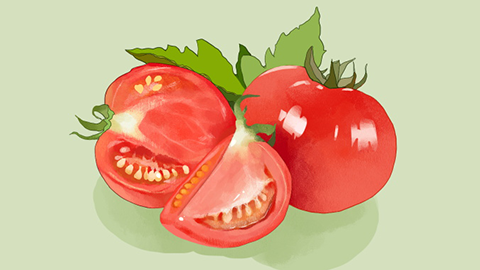
Tomatoes—including cherry tomatoes—are rich in multiple vitamins, lycopene, trace elements, and dietary fiber. Diabetic patients can benefit from eating tomatoes to supplement essential vitamins. Moreover, for patients who must avoid sweets, tomatoes offer a suitable alternative—but excessive or large quantities should be avoided. Overconsumption may elevate blood glucose levels; however, moderate, controlled intake poses no concern. Tomatoes can also be incorporated into meals—for example, as an ingredient in sandwiches—and are ideal as a snack between meals. Avoid consuming them on an empty stomach, immediately before meals, or right after meals.
Adopting a pattern of eating smaller, more frequent meals—and avoiding overeating or binge eating—is recommended in daily life. Regular physical activity is also beneficial, as it helps lower blood glucose levels and enhances immune function. We hope this information proves helpful!


