


Can people with high blood sugar eat mangosteen?

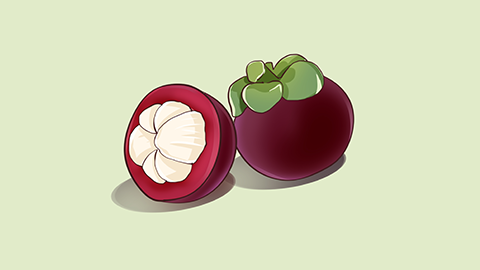
Mangosteen contains a very high sugar content and has a notably rapid glycemic index. So, can individuals with elevated blood glucose consume mangosteen?
Can individuals with elevated blood glucose consume mangosteen?
Individuals with diabetes should ideally avoid mangosteen. It contains substantial amounts of sugar, which may cause sustained elevation of blood glucose levels. Besides pathological causes, hyperglycemia may also result from prior excessive consumption of sugary foods. In individuals with high blood glucose, eating mangosteen can trigger a rapid spike in blood sugar, severely compromising glycemic stability. Moreover, many tropical fruits are high in sugar and should therefore be avoided by those with hyperglycemia. Cold-natured fruits may provoke severe diarrhea and are likewise unsuitable for individuals with elevated blood glucose. Once blood glucose levels have stabilized, mangosteen may be consumed in moderation. While strict dietary restrictions are not required, overconsumption should be avoided. Diabetic patients should also refrain from other high-sugar foods and ensure their blood glucose remains within the normal range.
Tropical fruits—such as durian and lychee—accumulate exceptionally high sugar content due to prolonged exposure to sunlight in tropical climates. These fruits exhibit a markedly high glycemic index, making them unsuitable for individuals with hyperglycemia. Additionally, cold-natured fruits may exacerbate metabolic disturbances involving proteins and fats in individuals with hyperglycemia, increasing susceptibility to gastrointestinal issues—including diarrhea—which offers no health benefit.

If blood glucose is well-controlled, moderate consumption of red beans is acceptable, as they are rich in vitamins and protein and thus help nourish the body. When blood glucose is elevated, low-sugar fruits such as tomatoes and plums may be consumed safely. A light, non-greasy diet is recommended—avoid fried or oily foods. We hope this article has been helpful. Wishing you a joyful life and good health!


