


Can people with high blood sugar eat kiwifruit?

Kiwi fruit is a highly nutritious fruit, rich in vitamin C, potassium, calcium, and other essential nutrients. Some individuals with elevated blood glucose levels also consider consuming kiwi fruit to supplement trace elements. So, can people with high blood sugar eat kiwi fruit?
Can people with high blood sugar eat kiwi fruit?
Kiwi fruit is classified as a low-sugar fruit. For patients with diabetes, it is an excellent fruit choice—as long as their blood glucose levels are well-controlled. Kiwi fruit is abundant in vitamins A, C, and E, trace elements (e.g., calcium), amino acids, inositol, progesterone, and—especially noteworthy—chromium, a mineral beneficial for diabetic patients that helps stimulate insulin secretion.
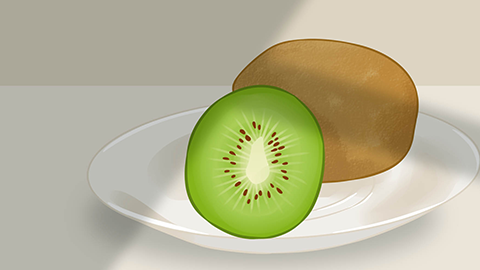
Individuals with high blood sugar have no absolute contraindications regarding fruit selection; a variety of fruits may be consumed, thereby enhancing quality of life and promoting more balanced nutrition. However, attention must be paid to the sugar content of higher-sugar fruits—such as jujubes, durians, lychees, and mangoes—whose portion size should be limited to approximately half the size of a fist. If larger quantities of fruit are consumed, the intake of staple foods (e.g., rice or bread) should be correspondingly reduced. Additionally, kiwi fruit should not be consumed as juice, as juicing destroys dietary fiber and vitamins, increases glycemic load, and raises sugar concentration—thereby impairing blood glucose control.

Furthermore, patients are advised to schedule regular hospital visits for check-ups and consistently monitor their blood glucose levels to stay informed about their health status and prevent complications. We hope this information proves helpful!


