


Can people with high blood sugar eat corn?

Corn is a common food ingredient rich in vitamins, offering benefits such as nourishing the lungs, calming the mind, strengthening the spleen, and stimulating appetite. But can individuals with high blood glucose (e.g., those with diabetes) consume corn?
Can individuals with high blood glucose eat corn?
People with diabetes may consume corn, but it must replace—rather than supplement—their staple carbohydrate intake. In other words, when eating corn, they must proportionally reduce their intake of other staple foods (e.g., rice or noodles). Whole grains and coarse cereals are generally recommended for diabetic patients because they are high in dietary fiber, promote satiety, and have a low glycemic index—making them an ideal choice.
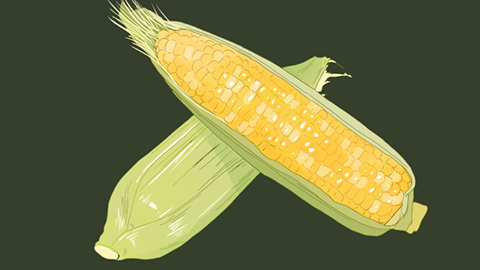
Additionally, diabetic patients should avoid refined rice and refined wheat flour products, as these have a high glycemic index and weak satiety effect, often leaving patients feeling hungry. Instead, they should opt for fiber-rich foods such as coix seed (Job’s tears), whole grains, and oats. However, all food choices must adhere strictly to established diabetic dietary guidelines—ensuring strong satiety and minimal postprandial blood glucose spikes, which is highly beneficial for diabetes management. Importantly, corn should not be prepared as congee (rice porridge) or corn porridge, as these forms cause rapid post-meal blood glucose elevation. Diabetic patients should consume corn in its solid, dry form—not as a liquid or semi-liquid preparation.
Furthermore, patients are strongly advised to schedule regular hospital visits for check-ups and consistent blood glucose monitoring, enabling timely assessment of their health status and prevention of potential complications. We hope this information proves helpful!


