


Can people with high blood sugar eat pickled radish?

In daily life, many individuals with diabetes or hyperglycemia must carefully manage their diet due to their condition—certain foods may exacerbate their symptoms. So, can people with high blood sugar eat pickled radish?
Can people with high blood sugar eat pickled radish?
Yes, people with high blood sugar can consume pickled radish. Radishes are nutritionally rich and offer numerous health benefits. Since they are naturally low in sugar, they are suitable for individuals with hyperglycemia. However, because pickled radish is a preserved food, it should be consumed in moderation. To prevent spikes in blood glucose while ensuring adequate nutrient intake, it is advisable to eat small portions frequently. Beta-carotene—a key nutrient found in radishes—is particularly beneficial for people with diabetes. Diabetes leads to increased production of free radicals in the body, which can impair insulin activity. Regular intake of beta-carotene helps neutralize these free radicals and enhances insulin function. Therefore, as long as consumption is controlled and gradual, pickled radish can be safely included in the diet.
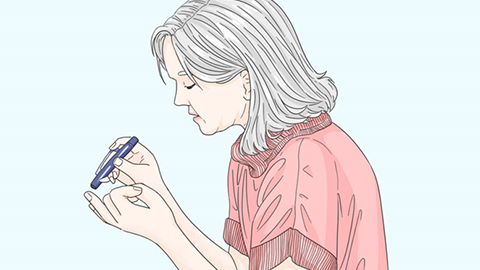
Dietary restrictions for individuals with high blood sugar include avoiding foods excessively high in sugar. Sugar intake can elevate blood glucose levels, worsening the condition and potentially contributing to the development or progression of diabetes. Foods high in salt and carbohydrates should also be limited. Additionally, intake of cholesterol- and fat-rich foods should be minimized, while vitamin-rich fruits may be consumed more frequently. Adequate vitamin intake supports immune function and helps slow disease progression.

Individuals with diabetes or hyperglycemia should prioritize regular physical activity to strengthen immunity and resistance. Simultaneously, attention to dietary habits is essential—avoiding excessive intake of high-sugar and high-fat foods helps prevent further harm to the body. We hope this information proves helpful!


