


Can people with high blood sugar eat chestnuts?

Many people in daily life suffer from hyperglycemia (elevated blood glucose), which can adversely affect overall health. Individuals with high blood sugar must pay close attention to their diet to prevent further spikes in glucose levels. So, can people with hyperglycemia eat chestnuts?
Can people with high blood sugar eat chestnuts?
Chestnuts have a relatively low glycemic index (GI) compared to many other foods. People with diabetes may consume chestnuts in moderation; doing so typically does not cause an acute or significant rise in blood glucose, nor does it lead to sustained fluctuations. However, it is advisable for individuals with diabetes to consume chestnuts only when their blood glucose levels are well-controlled—and even then, only in small quantities. Avoid consuming large amounts at once, as this may trigger a marked increase in blood glucose, impair glycemic control, and potentially precipitate acute diabetic complications.
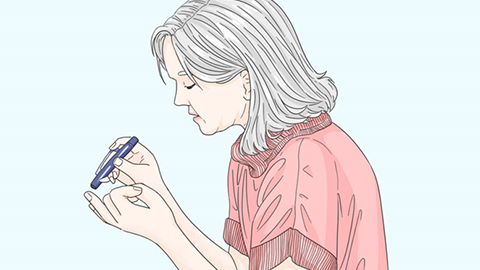
Dietary management for hyperglycemia begins with a light, low-fat, low-salt regimen. More specifically, daily intake should include approximately one serving of milk, one egg, and about 250 g (half a jin) of lean red meat—sufficient for most healthy adults. Fatty meats should be minimized, and staple carbohydrates (e.g., rice, noodles, bread) should be consumed in moderation. Postprandial blood glucose levels depend significantly on the quantity and type of carbohydrate-rich staples consumed during a meal. Additionally, we do not recommend consuming porridge or congee, as these tend to cause rapid and pronounced elevations in blood glucose. Instead, prioritize seasonal vegetables—eating them until satiated—and consume fruits between meals (e.g., around 10:30 a.m. or 4:30 p.m.). Opt for less sugary, seasonal fruits such as apples or pears.

Individuals with hyperglycemia should pay special attention to dietary habits in daily life, avoiding excessive intake of high-sugar foods to prevent serious complications of diabetes—including life-threatening conditions. We hope this information proves helpful.


