


Can individuals with high blood sugar take calcium supplements to boost calcium intake?

Hyperglycemia—one of the “three highs” (referring to hypertension, hyperlipidemia, and hyperglycemia) prevalent among modern populations—poses significant health risks. Particularly, chronic hyperglycemia may lead to diabetes mellitus. Moreover, an individual’s blood glucose level is closely linked to daily lifestyle and dietary habits. So, can individuals with high blood sugar take calcium supplements to meet their calcium needs?
Can individuals with high blood sugar take calcium supplements?
Yes, individuals with elevated blood glucose levels may safely take calcium supplements. Calcium carbonate or calcium citrate are preferred options, as they offer relatively good bioavailability. Additionally, dietary sources can effectively contribute to calcium intake—for example, milk and high-quality protein-rich foods naturally contain calcium. However, patients with hyperglycemia should also ensure adequate vitamin D intake when supplementing calcium; otherwise, calcium absorption will remain suboptimal even with calcium supplementation alone.

Calcium tablets primarily serve to replenish the body’s calcium stores and represent one common oral method of calcium supplementation. Their main ingredients typically include calcium carbonate and vitamin D3. Calcium carbonate supplies elemental calcium, while vitamin D3 enhances intestinal calcium absorption. In daily life, calcium can also be obtained through diet.
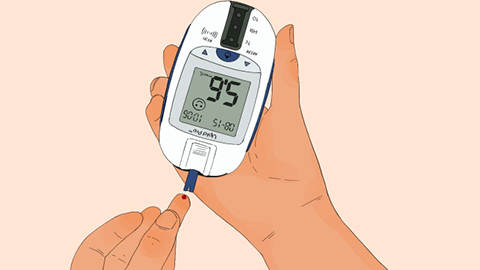
Patients should avoid foods high in sugar and fat, consume more fresh vegetables, abstain from smoking and alcohol, avoid binge eating or overeating, carefully control daily caloric intake, and undergo regular blood glucose monitoring. We hope this information proves helpful. Wishing you good health and a joyful life!


