


Can people with diabetes drink sugar-free soy milk powder?

Diabetes is a common disease. With improvements in living standards, it has increasingly affected younger populations, posing significant risks to human health. People with diabetes must pay close attention to numerous daily considerations—especially diet. So, can individuals with diabetes consume sugar-free soy milk powder?
Can people with diabetes drink sugar-free soy milk powder?
Individuals with diabetes whose blood glucose levels are well-controlled may consume sugar-free soy milk powder in moderation. Soy milk naturally contains relatively low amounts of sugar and is not classified as a high-glycemic-index food. It can help improve nutritional balance and support adequate protein intake—both beneficial for the overall health of people with diabetes. However, patients must select only sugar-free soy milk powder and strictly monitor their total daily sugar intake; consuming soy milk powder containing added sugars may adversely affect blood glucose control.
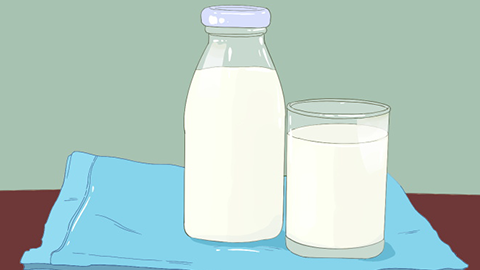
Several types of milk powder are suitable for people with diabetes, including both skimmed and whole milk powders. Milk powder provides valuable protein and abundant calcium, contributing positively to diabetic patients’ health. Older adults may further benefit from calcium-fortified milk powders, which help improve bone mineral density. However, milk powders containing added sugars should be strictly avoided, as they significantly impact blood glucose levels.

People with diabetes should avoid foods high in sugar and fat, instead emphasizing fresh vegetables in their diet. Smoking and alcohol consumption are strictly prohibited, and binge eating or overeating must be avoided. Patients should also carefully regulate their daily food intake and perform regular blood glucose monitoring. We hope this information proves helpful. Wishing you good health and a joyful life!


