


Can people with high blood sugar eat sunflower seeds?

Sunflower seeds are high in fat. People with diabetes must adhere strictly to dietary guidelines and avoid foods that are notably sweet or high in sugar. However, they may consume, in moderation, foods with low sugar content. So, can individuals with elevated blood glucose levels eat sunflower seeds?
Can individuals with elevated blood glucose eat sunflower seeds?
Whether individuals with elevated blood glucose can consume sunflower seeds depends on the underlying cause of their hyperglycemia, the presence of any comorbid conditions, and whether they have an individual allergy to sunflower seeds—thus, recommendations are highly personalized.
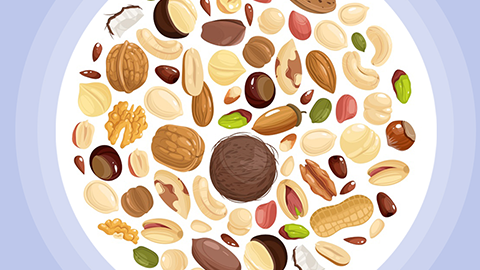
Elevated blood glucose can be categorized into three types: diabetes mellitus, impaired glucose tolerance (IGT), and transient (temporary) hyperglycemia. Notably, approximately 8% of individuals with IGT progress to diabetes within one year. For patients with diabetes, sunflower seeds may be consumed in moderation: they contain unsaturated fatty acids, linoleic acid, vitamin E, and plant-based proteins. However, diabetic patients should limit daily intake to no more than 10 g, as excessive consumption may disrupt lipid metabolism due to their high fat content. Sunflower seeds are not recommended for patients with impaired renal function, since plant proteins may increase renal workload. In contrast, individuals with normal kidney function may consume them—but still limited to approximately 10 g per day.
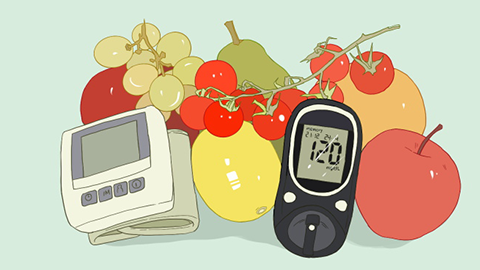
In daily life, individuals with elevated blood glucose must practice dietary restrictions—for example, avoiding sugary confections, fruits with excessively high sugar content, and foods rich in fats or cholesterol. Intake of these items should be strictly moderated. Additionally, maintaining a healthy body weight and engaging in regular physical activity are essential. We hope this information is helpful to you!


